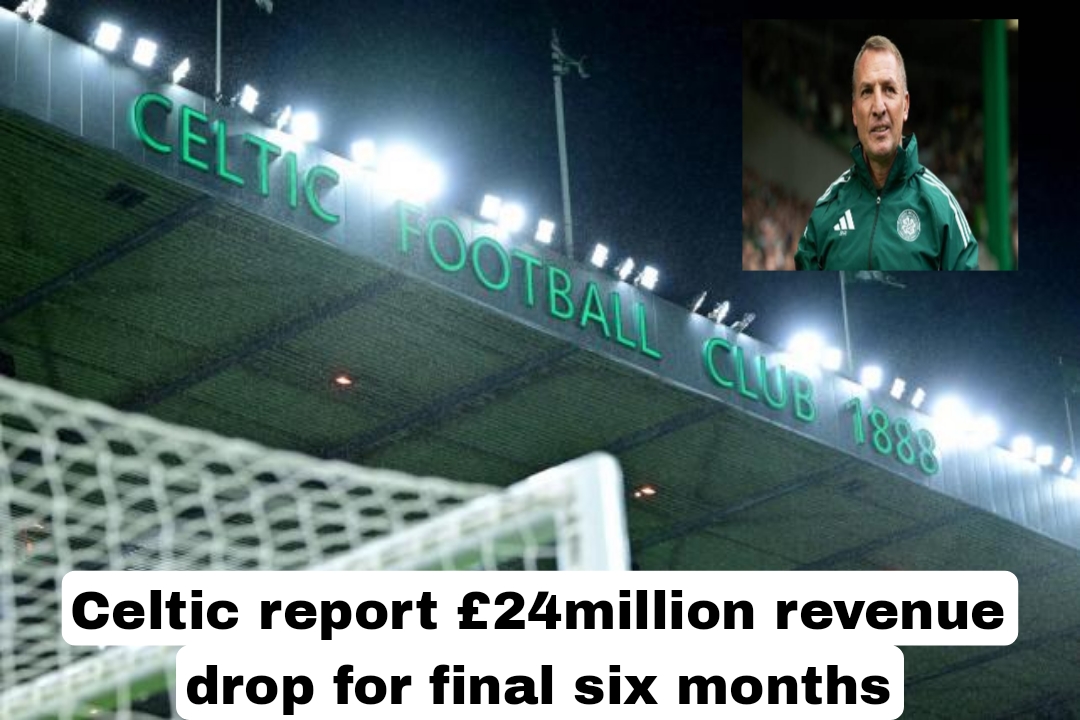
Celtic F.C. Report £24 Million Revenue Drop for Final Six Months
Celtic F.C. have announced a significant £24 million drop in revenue for the final six months of their financial reporting period, raising fresh questions about the club’s short-term financial outlook despite continued domestic competitiveness.
The Glasgow giants revealed the downturn in their latest financial update, with overall income falling sharply compared to the same period last year. The primary reason behind the decline is understood to be the absence of UEFA Champions League group-stage football during the reporting window — a competition that previously delivered substantial broadcasting, matchday, and commercial income.
European Absence Hits Hard
Participation in the UEFA Champions League often provides Scottish clubs with a crucial financial boost. Prize money, television rights, and increased gate receipts can dramatically impact balance sheets. Without that European windfall this time around, Celtic’s revenue naturally took a hit.
Matchday earnings also dipped slightly, reflecting fewer high-profile European fixtures at Celtic Park. European nights traditionally attract premium ticket pricing and global exposure, elements that were notably reduced during this period.
Player Trading and Commercial Stability
While revenue dropped, Celtic’s player trading model continues to play an important role in stabilizing finances. Strategic recruitment and profitable sales have been a consistent feature of the club’s business approach in recent years.
Commercial partnerships and merchandise sales remain relatively stable, supported by the club’s strong domestic brand presence and loyal fan base. However, those streams alone were not enough to offset the shortfall created by missing top-tier European competition.
Domestic Dominance vs Financial Pressure
On the pitch, Celtic remain firmly in the Scottish title race and continue to challenge for domestic honors. Success in the Scottish Premiership remains central to securing future Champions League qualification — and the financial rewards that come with it.
Club executives are likely to view the revenue drop as a temporary setback rather than a long-term crisis. However, it underlines how heavily Scottish clubs depend on European participation to maintain financial growth and competitive investment levels.
Looking Ahead
The key focus now will be ensuring qualification for Europe’s elite competition next season. A return to the Champions League group stage would not only boost revenue but also strengthen Celtic’s ability to retain key players and invest in squad development.
While a £24 million reduction is significant, Celtic’s broader financial structure and supporter backing provide resilience. The coming months — both financially and competitively — could define the next phase of stability and ambition at Parkhead.