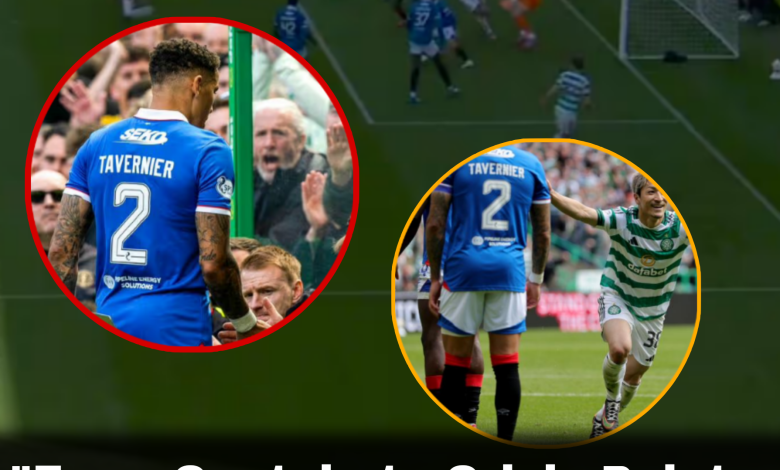
The fallout from the latest Glasgow derby has been nothing short of explosive—and at the centre of it all stands one man: James Tavernier.
Once hailed as the driving force behind Rangers F.C., the captain is now facing fierce backlash from supporters after a performance many are calling symbolic of a team that simply surrendered when it mattered most. The phrase “wave the white flag” has spread rapidly among fans—and it’s not being used lightly.
From Leader to Lightning Rod
Tavernier has long been a figure of influence at Ibrox. His attacking output, leadership presence, and consistency made him a cornerstone of the team. But in derby matches, reputations are either cemented—or shattered.
This time, it feels like the latter.
Against Celtic F.C., Rangers needed composure, authority, and fight. Instead, what unfolded was a disjointed display that left fans questioning not just the result—but the mentality of their captain.
The Moment Everything Turned
Every derby has a flashpoint—and this one came when Rangers’ defensive structure collapsed under pressure. Whether it was poor positioning, lack of communication, or simply being outplayed, the backline looked vulnerable.
As captain, Tavernier’s role in organizing and inspiring the team came under immediate scrutiny.
Supporters were quick to point out that when the game began to slip, there was no visible response—no rallying cry, no shift in momentum. For many, that silence spoke volumes.
“White Flag” Accusations Take Over
It didn’t take long for the narrative to spiral.
Fans across social platforms accused Rangers of “waving the white flag” long before the final whistle. The language is harsh—but it reflects a deep frustration. In a fixture defined by passion and pride, anything resembling surrender is unforgivable.
Tavernier, as the face of the team, has inevitably taken the brunt of that anger.
Some supporters have questioned whether he can continue as captain in high-stakes matches, while others believe the criticism is a reaction to a wider team failure rather than one individual.
Tactical Failures or Mental Collapse?
While Tavernier’s performance is under the microscope, the issues run deeper.
Rangers appeared tactically overwhelmed, unable to cope with Celtic’s intensity and movement. Midfield gaps, defensive hesitations, and a lack of attacking cohesion all contributed to a performance that felt unravelling rather than competitive.
But here’s the uncomfortable truth: tactics can fail—but mentality is what fans judge most in derbies.
And that’s where the criticism has hit hardest.
Dressing Room Questions Growing Louder
When a captain is publicly criticized, it often signals deeper concerns behind the scenes. Is the leadership group strong enough? Are players fully aligned with the manager’s approach? Is confidence slipping at a crucial stage of the season?
These are the questions now circling Ibrox.
Because one bad result can be forgiven—but a perceived lack of fight cannot.
Redemption Still Possible?
Football has a short memory—but only if performances change quickly.
Tavernier has been written off before, only to respond with goals, assists, and commanding displays. The opportunity for redemption is there—but it must come fast, and it must come in big moments.
Another derby, another high-pressure game—those are the stages where reputations are rebuilt.
Crisis Point or Overreaction?
Is this truly a crisis—or just the emotional aftermath of a painful defeat?
That depends on what happens next.
If Rangers respond with intensity and results, this narrative could fade just as quickly as it emerged. But if performances continue to drift, the criticism will only intensify—and Tavernier’s role as captain will remain under the spotlight.
Final Word
Derbies don’t just decide points—they define legacies.
Right now, James Tavernier finds himself at a crossroads:
remain the leader who lifts Rangers back up… or become the symbol of a night fans will struggle to forget.