Rules Expert Highlights Key Detail ‘Missed’ During Brennan Johnson’s Disallowed Goal Against Hull City
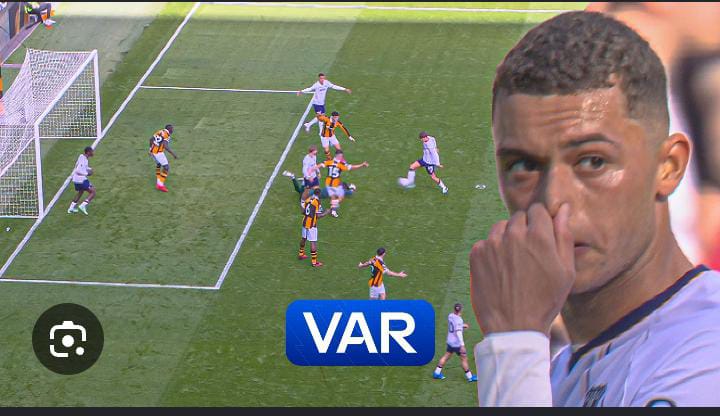
Former PGMOL chief Keith Hackett has reportedly criticised the complexity of the offside law following the controversial decision to disallow Brennan Johnson’s goal for Everton against Hull City, arguing that the rules have become unnecessarily complicated.
Everton’s 2-2 draw at the MKM Stadium was overshadowed by the incident, which saw referee Michael Salisbury overturn his original decision to award Johnson a goal following a VAR review.
The decision left Everton manager David Moyes frustrated and raised questions about how officials interpret interference with an opponent during an offside phase.
While some former officials have defended the decision, Hackett believes the law is difficult to understand and suggested that the goal would have counted under the interpretation used during his refereeing career.
The Decision That Sparked Confusion
The controversy began in the 34th minute when Johnson appeared to give Everton the lead against Hull City.
The forward reportedly scored after Harrison Armstrong’s effort had been blocked, prompting celebrations among Everton’s players and supporters.
The on-field decision was initially to award the goal.
However, the situation was subsequently reviewed by VAR, and Salisbury was sent to the pitchside monitor to assess the incident.
After reviewing the footage, the referee overturned his original decision, ruling that Johnson had been in an offside position and had challenged an opponent for the ball.
The decision immediately became a major talking point.
For Everton, the disappointment was compounded by the fact that the goal could have provided an important advantage in a competitive away match. For Hull City, the decision removed an early setback and allowed them to continue competing on level terms.
But the biggest question concerned Johnson’s involvement in the attacking move.
The debate was not simply about his position on the pitch. It was about whether his actions interfered with a Hull City player sufficiently to constitute an offside offence.
That distinction lies at the heart of the controversy.
What Keith Hackett Said About the Offside Law
Former PGMOL chief and ex-FIFA referee Keith Hackett has reportedly questioned the complexity of the law applied to Johnson’s disallowed goal.
Hackett was quoted as saying:
“In my day, Brennan Johnson’s goal would have counted.”
His comments focused on the distinction between different phases of play and the point at which a player in an offside position becomes actively involved in an attacking move.
He explained:
“The actual phase, I think, because there’s an attempt to play the ball, you’ve effectively negated the situation in terms of him becoming active. The first lot is the first phase of play, then the second phase is why he’s being given offside, and this is the complexity of the law.”
Hackett acknowledged that Johnson was in an offside position but questioned how the law was being interpreted.
“Yes, he is in an offside position, so he’s committed an offence. I think the movement makes him active. In my day, we’d have just pointed to the middle and given the goal.”
His comments highlight a key distinction in football’s offside law: being in an offside position is not automatically an offence. A player must also become involved in active play in one of the ways defined by the Laws of the Game.
That involvement can include interfering with an opponent, even when the player does not touch the ball.
Hackett’s criticism was directed at the complexity of determining precisely when that interference occurs.
He was particularly concerned about how difficult such decisions can be for supporters to understand, adding:
“And I think this is the over-complexity of the offside law. That makes it very difficult for my officials and certainly for fans to understand. It’s a mess, isn’t it? Let’s face it, he is stood miles offside. I think that law is overcomplicated.”
His assessment provides a different perspective from those who have defended Salisbury’s decision, illustrating how the interpretation of offside can generate disagreement even among experienced figures in the game.
What the Premier League Said About Johnson’s Goal
The Premier League Match Centre reportedly confirmed that the decision to disallow Johnson’s goal followed a VAR review.
The explanation supplied in the report stated:
“After VAR review, the referee overturned the original decision of goal to Everton – with Johnson in an offside position and deemed to be challenging an opponent for the ball.”
The referee’s on-field explanation was also reportedly captured on the referee microphone.
“Everton No.22 is in an offside position and challenges Hull No.3. Final decision is offside.”
The explanation indicates that the officials focused on Johnson’s challenge against Hull City’s Ryan Giles rather than simply his position when the ball was played.
Under the offside law, a player can be penalised if they interfere with an opponent by challenging them for the ball or otherwise affecting their ability to play it.
The player does not necessarily need to make contact with the ball for an offence to occur.
The incident was reportedly classified as a subjective offside decision because the referee had to assess Johnson’s involvement rather than rely solely on a factual determination of his position.
This is where the debate becomes complicated. Supporters may agree that a player was standing in an offside position while disagreeing about whether that player’s actions amounted to interference.
The Premier League’s reported explanation supports the officials’ reasoning, while Hackett’s comments question whether the law is too complicated in its current form.
David Moyes Admits He Does Not Understand the Decision
Everton manager David Moyes was reportedly unhappy with the decision and openly questioned the terminology used to explain it.
Moyes said:
“Subjective offside, I think is the word. Which I don’t know what that actually means.”
He continued:
“I don’t know what subjective offside is, and I don’t think any of you do either.”
The Everton boss also called for further clarity about the review, adding:
“But I’d like to see the lines drawn just to see exactly if they’ve got it right. I hope they’ve put the lines on and done it correctly.”
His comments reflected the frustration surrounding the incident and the difficulty of understanding decisions involving subjective interpretations of the rules.
For managers, a disallowed goal can have a substantial impact on a match, particularly when the team believes it has scored legitimately.
However, the use of VAR does not mean every decision will be universally accepted. Its purpose is to help officials review relevant incidents, but the application of laws involving interference can still require judgment.
Moyes’ reaction therefore added another dimension to the controversy, with the Everton manager questioning both the decision and the explanation behind it.
Darren Cann Defends the VAR Intervention
Not everyone agreed with Hackett’s assessment.
Former Premier League assistant referee Darren Cann reportedly supported the decision to disallow Johnson’s goal, describing it as an “excellent and correct intervention from VAR Tim Wood”.
Cann explained:
“Johnson then challenged Hull City’s Ryan Giles and therefore in law was interfering with an opponent.”
His argument centres on the principle that a player in an offside position can commit an offence by challenging an opponent for the ball.
Under that interpretation, Johnson’s actions were sufficient to justify the intervention, regardless of whether he ultimately touched the ball.
Cann’s reported comments demonstrate why the incident has generated such different reactions.
While Hackett believes the law has become unnecessarily complicated, Cann considers the decision consistent with its requirements.
The disagreement also shows why it is important to distinguish between criticism of the offside law itself and an assessment of whether officials applied the existing law correctly.
Those are related questions, but they are not the same.
Mark Clattenburg Explains the Importance of the Phase of Play
Former referee Mark Clattenburg reportedly offered another explanation of the decision, focusing on the way an attempt to save or play the ball affects an offside phase.
Clattenburg was quoted as saying:
“Under the laws of the game, a save is still classed in the phase of an offside. Johnson was in the act of challenging for the ball with the Hull defender. He was close enough to challenge for the ball.”
His comments support the view that Johnson’s involvement could be penalised if it met the criteria for interfering with an opponent.
The offside law requires officials to consider more than whether an attacking player touches the ball. They must also assess whether the player challenges an opponent or otherwise affects that opponent’s ability to play the ball.
This can create difficult decisions when several players are involved in the same attacking move.
In Johnson’s case, the reported explanation was that his challenge against Giles made him actively involved while in an offside position.
Clattenburg’s comments therefore provide support for the officials’ interpretation, although they do not eliminate the wider debate about whether the law is sufficiently clear.
Why the Offside Law Continues to Generate Debate
The incident involving Johnson illustrates one of football’s most challenging refereeing issues: distinguishing between an offside position and an actual offside offence.
A player can be standing in an offside position without being penalised if they do not become involved in active play in a way covered by the law.
However, an offence can occur if the player interferes with an opponent, including by challenging them for the ball or obstructing their ability to play it.
These situations often require the referee to assess the player’s movement, proximity to the opponent and involvement in the action.
That makes them more difficult to explain than decisions based solely on a player’s position when the ball is played.
VAR can help officials review the incident, but it does not remove the need for interpretation when the law requires a judgment about interference.
This is why Hackett’s criticism has particular relevance. His argument is not merely about one disallowed goal, but about whether the current wording and application of the law make football unnecessarily difficult for officials and supporters to understand.
The competing views of Hackett, Cann and Clattenburg demonstrate that the debate extends beyond the immediate reaction of Everton supporters.
What the Decision Means for Everton
The disallowed goal became a significant talking point following Everton’s 2-2 draw with Hull City.
The visitors had opportunities to secure a better result, but the match ultimately ended level.
Kiernan Dewsbury-Hall reportedly contributed a goal and an assist for Everton, while missed chances and defensive errors also featured in the discussion surrounding the result.
Although Johnson’s disallowed effort attracted considerable attention, it would be difficult to attribute the final score entirely to that decision.
Everton’s performance across the remainder of the match also influenced the outcome.
Nevertheless, the incident has left supporters debating whether the goal should have stood and whether the officials’ explanation was sufficiently clear.
For Moyes, the focus will now be on moving forward while ensuring his team continues to create opportunities and improve its overall performance.
For the Premier League, the controversy reinforces the importance of explaining complex refereeing decisions in a way that players, managers and supporters can understand.
The Verdict
Brennan Johnson’s disallowed goal against Hull City has sparked a debate about the interpretation and complexity of football’s offside law.
Keith Hackett has reportedly argued that the law is overcomplicated and suggested the goal would have counted under the interpretation used during his refereeing career.
The Premier League’s reported explanation, however, states that Johnson was in an offside position and challenged an opponent for the ball. Darren Cann and Mark Clattenburg have also reportedly defended the reasoning behind the decision.
David Moyes’ reaction demonstrates the frustration the incident has caused, while the differing opinions from former officials highlight the difficulty of interpreting interference with an opponent.
The central question remains whether Johnson’s actions met the criteria for an offside offence under the current laws.
Whatever the final view on the incident, the debate has renewed calls for greater clarity around decisions that can be difficult for supporters to understand.
What do you think about Brennan Johnson’s disallowed goal against Hull City? Was the referee right to rule it out, or has the offside law become too complicated? Share your thoughts in the comments below.