Leeds Fans Slam Noah Okafor After Poor Display Against Man Utd
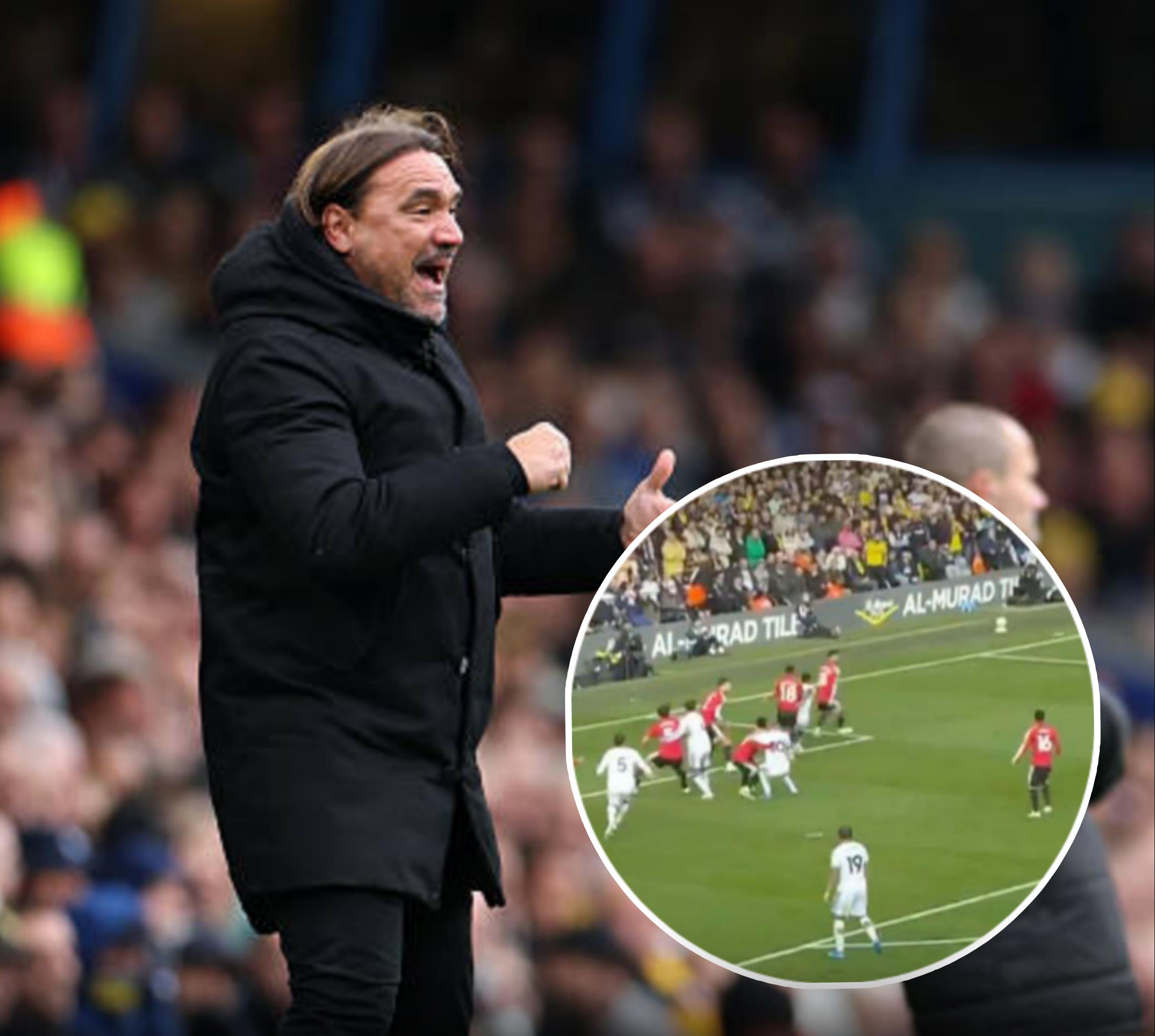
Leeds United supporters have criticised Noah Okafor following his disappointing performance in the 1-1 draw against Manchester United at Elland Road, with some fans questioning whether the winger is good enough to perform at Premier League level.
Leeds United were forced to settle for a point against their bitter rivals after Dominic Calvert-Lewin scored a second-half equaliser to cancel out Bryan Mbeumo’s opener. Although the result offered some positives for Daniel Farke’s side, Okafor’s performance became a major talking point among frustrated supporters.
The Swiss international was handed a starting role in attack alongside Calvert-Lewin, but he struggled to make a meaningful impact before being substituted in the 72nd minute.
Several Leeds fans took to social media to express their disappointment, describing the winger as “terrible” and questioning his ability to contribute consistently in the Premier League.
While Calvert-Lewin’s equaliser ensured Leeds avoided defeat, Okafor’s struggles in the final third left supporters wondering whether Farke should consider making changes to his attacking lineup.
Leeds Fans Unleash Their Frustration With Okafor
Okafor’s performance against Manchester United did little to silence the growing criticism surrounding his contribution to Leeds United’s attack.
The winger was expected to provide pace, creativity and a direct attacking threat, but he struggled to influence proceedings during his time on the pitch.
Supporters were particularly frustrated by his inability to make the most of promising attacking situations.
One Leeds fan reportedly described him as “terrible”, while another suggested that the winger was “not for this level”.
Such reactions reflect the pressure that comes with representing a club with Leeds United’s expectations, particularly when facing a fierce rival.
Matches against Manchester United carry additional significance for supporters, and performances in these fixtures are often judged more harshly than those in ordinary league encounters.
For Leeds fans, the disappointment was not simply about the final result. It was also about the missed opportunities to secure a famous victory against their rivals.
Calvert-Lewin’s equaliser gave the home supporters something to celebrate, but Okafor’s struggles became an unwanted distraction.
Nevertheless, criticism from supporters does not necessarily mean the player has no future at the club. Wingers often experience inconsistent periods, and their performances can improve when they receive the right tactical support and regain confidence.
The challenge for Okafor is to respond positively and demonstrate that he can offer more to the team.
A Difficult Afternoon in the Final Third
One of the biggest criticisms levelled at Okafor concerned his decision-making in attacking situations.
According to the supplied match report, the winger struggled to create clear opportunities and failed to provide the attacking influence Leeds needed during important moments.
The Yorkshire Evening Post reportedly described him as being quiet for much of his time on the pitch before he was replaced in the 72nd minute.
His afternoon also included a second-half effort that went over the crossbar and a poor pass when he potentially could have released Calvert-Lewin into a dangerous position.
That passage of play was particularly frustrating for supporters because it represented an opportunity to put Manchester United under greater pressure.
In games against strong opposition, attacking players must make the most of the openings available to them.
A well-timed pass can create a clear goalscoring opportunity, while a poor decision can allow the opposition to recover defensively.
For Okafor, the problem was that his attacking contribution appeared limited when Leeds needed greater quality in the final third.
However, it is important to recognise that evaluating a winger requires more than simply looking at shots and assists. Movement without the ball, defensive responsibilities, pressing and creating space for teammates can also influence a player’s overall contribution.
Even so, Leeds supporters will expect a starting winger to provide a more consistent attacking threat, especially in a fixture as important as the clash with Manchester United.
What the Match Ratings Suggest
Okafor’s performance also attracted attention in the match ratings published after the game.
According to the information provided, the BBC awarded him a rating of 6/10, while the Yorkshire Evening Post highlighted his limited influence before his substitution.
Although a rating of six out of ten does not necessarily represent a disastrous performance, it suggests that Okafor did not deliver an outstanding display.
Supporters who were expecting him to make a decisive contribution were left disappointed.
The criticism became more pronounced because Leeds needed their attacking players to take advantage of opportunities against Manchester United.
When a team is chasing a winning goal, wingers are often expected to beat defenders, deliver dangerous passes and create uncertainty in the opposition’s defensive line.
Okafor struggled to deliver the kind of performance that would have earned him widespread praise.
Nevertheless, one disappointing match should not automatically determine a player’s long-term prospects.
Footballers can experience difficult afternoons for several reasons, including tactical limitations, a lack of confidence, strong opposition defending or a failure to establish an effective understanding with teammates.
For Okafor, the important question is whether this performance represents a temporary setback or a wider problem with his consistency.
That is something Farke will need to assess over the coming fixtures.
Calvert-Lewin Rescues a Point for Leeds
While Okafor struggled to make an impact, Calvert-Lewin provided the moment Leeds needed to get back into the contest.
Manchester United had taken the lead through Bryan Mbeumo, putting the visitors in a promising position as they looked to secure a positive result at Elland Road.
Leeds needed a response, and Calvert-Lewin’s second-half equaliser ensured that the home side avoided defeat.
The goal was particularly important because it gave Leeds a chance to finish the game strongly and maintain their hopes of claiming all three points.
However, the equaliser did not completely erase the frustration surrounding the team’s attacking performance.
For supporters, the match presented an opportunity to secure a memorable victory against one of English football’s biggest clubs.
Instead, Leeds had to settle for a draw, leaving questions about whether they had done enough to capitalise on the opportunities available.
Calvert-Lewin’s contribution demonstrated the importance of having players capable of delivering in decisive moments.
His equaliser also highlighted the contrast between a forward who found the breakthrough and a winger who struggled to influence the game.
That comparison is not necessarily a definitive judgment on either player’s overall ability, but it helps explain why Okafor attracted so much criticism.
Will Daniel Farke Drop Noah Okafor?
Following the criticism, attention will inevitably turn towards Farke’s selection decisions for Leeds’ next fixture.
The Leeds manager must decide whether Okafor deserves another opportunity to establish himself in the starting lineup or whether a change would give the team a better chance of improving its attacking output.
Lukas Nmecha is mentioned in the supplied report as an alternative who could come into consideration.
Introducing another attacking option could provide Leeds with a different approach, particularly if Farke believes the team needs greater efficiency in the final third.
However, dropping Okafor would not necessarily solve every problem.
Leeds need their attacking players to work collectively, creating space, supporting the striker and making better decisions when possession enters dangerous areas.
If Okafor is left out, his replacement will face the same expectations to produce a meaningful attacking contribution.
Farke must also consider the wider tactical picture, including the balance between attacking creativity and defensive responsibilities.
A manager’s decision should not be based entirely on social media criticism or the reaction to one match.
Instead, training performances, consistency, tactical suitability and the player’s overall contribution should all influence the selection process.
For now, the criticism creates additional pressure on Okafor to deliver a stronger performance when given his next opportunity.
Leeds Must Improve Their Attacking Consistency
The draw against Manchester United highlighted both Leeds’ ability to fight back and the need for greater consistency in attack.
Calvert-Lewin’s equaliser showed that the team could respond after falling behind, but the performance also raised questions about the quality of its attacking play.
Against Premier League opposition, opportunities can be limited, making composure and decision-making particularly important.
Leeds cannot afford to waste promising situations if they want to turn competitive performances into victories.
Wingers must provide width, attack defenders and deliver accurate passes into dangerous areas. Strikers need service, while midfielders must support attacking movements and help the team maintain pressure.
When these elements work together, Leeds become more difficult to defend against.
When they fail to connect, even a team that creates promising situations can struggle to secure the desired result.
Farke will therefore want his players to improve their understanding and make better use of possession in the final third.
Okafor, in particular, has an opportunity to silence his critics by producing a more effective performance in his next appearance.
A strong response could quickly change the conversation surrounding his form.
Another disappointing display, however, would likely increase the pressure on the winger and strengthen calls for a change in the starting lineup.
The Verdict: Okafor Must Respond to the Criticism
Noah Okafor’s performance against Manchester United has divided attention among Leeds United supporters following the 1-1 draw at Elland Road.
The winger struggled to make a significant attacking impact, was substituted in the 72nd minute and came under fire from fans who expected more from him.
Comments describing him as “terrible” and “not for this level” illustrate the frustration surrounding his display, although such reactions should not be treated as definitive assessments of his ability.
Calvert-Lewin’s equaliser ensured Leeds took a point from the contest, but the match also highlighted the importance of greater attacking efficiency.
For Farke, the next decision will be whether to continue trusting Okafor or consider alternative options as Leeds look to improve their performances.
The immediate priority for Okafor is clear: respond to the criticism with a stronger display, better decision-making and a greater attacking contribution.
One disappointing afternoon does not have to define his time at Leeds, but he will need to demonstrate that he can meet the demands of Premier League football consistently.
With important fixtures ahead, the winger has an opportunity to prove his doubters wrong and regain the confidence of the Elland Road faithful.
What Do You Think?
Should Daniel Farke drop Noah Okafor after his performance against Manchester United, or does the Swiss winger deserve another chance to prove himself?
Share your thoughts in the comments below! ⚪🔵