FURIOUS LEEDS UNITED FANS DEMAND ANSWERS AS THEY SLAM ‘SELFISH’ AND ‘LAZY’ STAR AFTER MAN UNITED DRAW
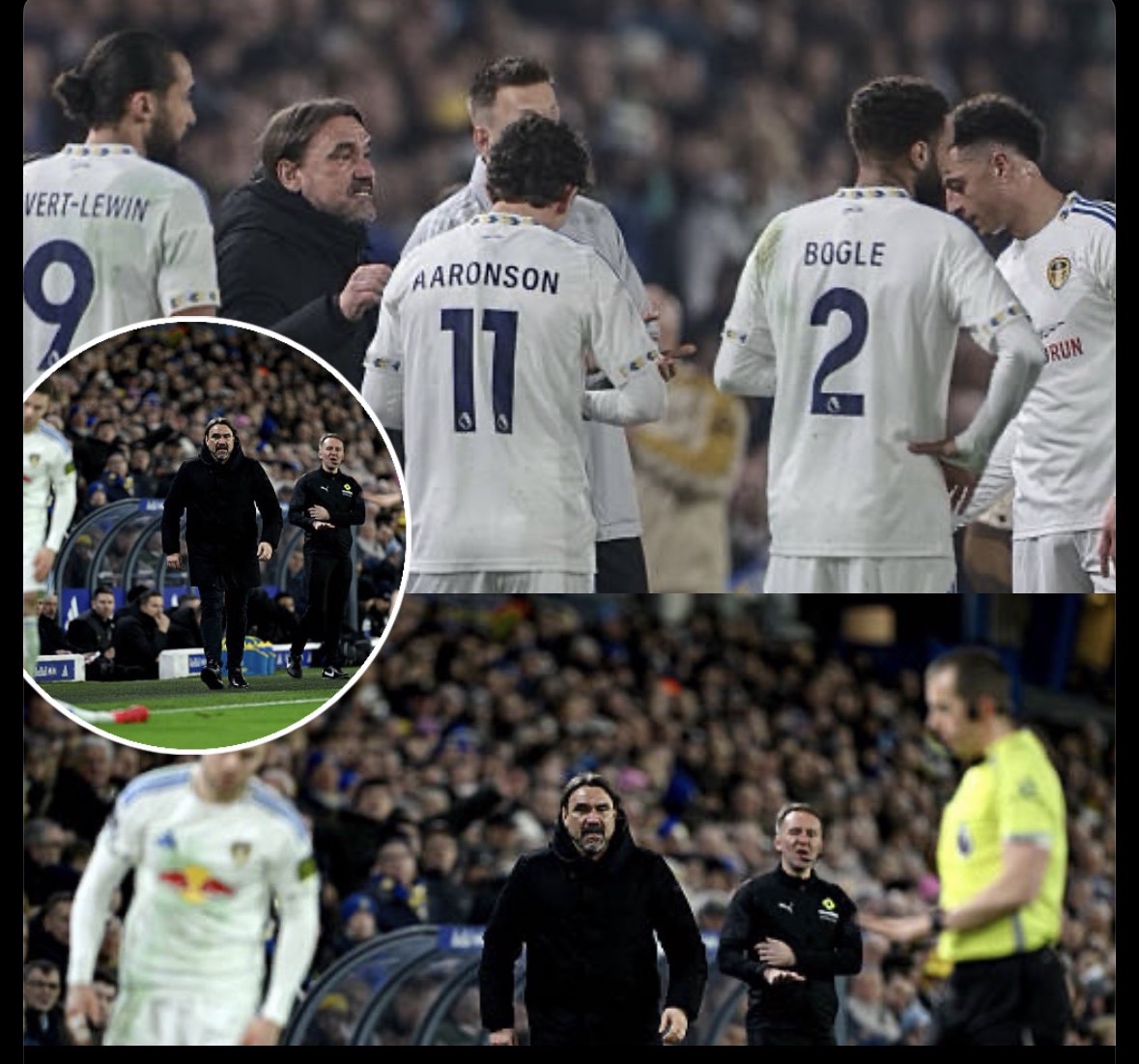
Leeds United supporters were left frustrated after their side was forced to settle for a 1-1 draw against Manchester United at Elland Road, with questions surrounding the team’s attacking performance and whether everyone contributed enough to help secure a vital victory.
The highly anticipated Premier League encounter had all the ingredients of a memorable afternoon. The rivalry between the two clubs guaranteed an intense atmosphere, while the importance of the three points made the contest even more significant for both teams.
However, when the final whistle arrived, Leeds were left wondering what might have been.
Manchester United took the lead through Bryan Mbeumo in the first half, putting the visitors in a promising position. Leeds responded after the interval, with Dominic Calvert-Lewin finding the equaliser and giving the home supporters renewed hope.
Despite the improvement after the break, Leeds could not find the decisive goal that would have sent Elland Road into celebration.
The result was particularly frustrating because the opportunity to claim a memorable victory against their historic rivals was there. Although a point is better than nothing, supporters will naturally question whether their team did enough to take all three.
For a club with ambitions of establishing itself in the Premier League, these are the occasions when players are expected to demonstrate composure, determination and the quality required to make the difference.
And that is where the debate surrounding individual performances becomes particularly interesting.
Leeds United supporters demand more from their players
There is a significant difference between a player having an average afternoon and a player failing to deliver what the team requires in a crucial fixture.
Supporters understand that footballers will occasionally make mistakes. They know that even the best players can struggle against difficult opposition, lose possession or make the wrong decision under pressure.
What becomes harder to accept, however, is when a performance leaves the impression that the team could have achieved more with better decision-making and greater urgency.
Against Manchester United, Leeds needed their attacking players to make the most of their opportunities, stretch the opposition defence and take responsibility when the game became difficult.
Instead, the draw has created another opportunity for supporters to examine what went wrong and which individuals could have done more.
The frustration is understandable. Leeds were playing at home, backed by their supporters, against opponents who arrived under pressure following a difficult run of results.
That presented Daniel Farke’s side with an opportunity to make a statement.
A victory would have provided a significant boost, both in terms of confidence and the club’s wider ambitions for the season. Instead, the points were shared, leaving supporters to debate whether their team missed a valuable opportunity.
The accusations of selfishness and laziness
In football, few criticisms generate as much anger as accusations that a player is being selfish or failing to work hard enough for the team.
These descriptions go beyond questioning technical ability. They suggest that a player’s decisions or work rate might be preventing the collective from performing at its best.
When a team fails to win a match that supporters believe was there for the taking, every misplaced pass, unsuccessful attacking move and questionable decision can attract greater scrutiny.
An attacker who chooses to shoot instead of passing to a teammate may face criticism if the opportunity is wasted. A player who repeatedly loses possession can quickly become a target for frustrated supporters.
Equally, a player who does not appear to press aggressively or recover quickly enough may leave fans questioning whether the necessary effort is being shown.
However, it is important to distinguish between an isolated mistake and a genuine pattern of poor performances.
A single disappointing match should not automatically define a player’s entire contribution to the team. Footballers operate within a tactical system, and their effectiveness often depends on the movement, positioning and decisions of the teammates around them.
Nevertheless, the expectations at this level are demanding.
Leeds need players who can recognise when to take risks, when to release the ball and when to make sacrifices for the team’s benefit. Against a rival like Manchester United, those details can determine whether a side earns a respectable draw or claims a memorable victory.
Why the draw will leave Leeds frustrated
The 1-1 result tells only part of the story.
Manchester United entered the match looking to improve their fortunes, while Leeds had the opportunity to capitalise on their home advantage and make life difficult for their opponents.
Mbeumo’s first-half goal gave United something to protect, forcing Leeds to respond after the break.
Calvert-Lewin’s equaliser was an important moment because it restored belief among the home supporters and gave Leeds a platform from which to pursue the winner.
The problem was that finding the equaliser and securing the victory were two different challenges.
Leeds needed to maintain their intensity, make better use of attacking situations and find a way through a Manchester United side determined to avoid another damaging result.
The home side came close to finding a winner, but the decisive breakthrough never arrived.
That will inevitably lead to questions about the quality of the final ball, the movement in the attacking areas and the ability of individual players to turn promising situations into clear opportunities.
These are not necessarily problems that can be blamed on one footballer. They are issues that require collective improvement.
Nevertheless, supporters will always examine the individuals involved when the team fails to achieve the result they wanted.
Daniel Farke faces important questions
For Farke, the challenge is to ensure that the disappointment of the draw does not overshadow the positives from the performance.
Leeds managed to recover after falling behind, showing enough determination to get themselves back into the contest. That response deserves recognition.
At the same time, the manager will understand that competing well is not always enough.
The strongest teams find ways to turn difficult situations into victories. They remain organised when opponents threaten, take advantage of opportunities when they appear and show the necessary composure during decisive moments.
Leeds must continue developing those qualities if they want to become more consistent.
Farke will also have to assess his attacking options and determine whether adjustments are needed in the next fixture.
That does not automatically mean dropping a player who struggled against Manchester United. Instead, it means examining the tactical demands of the game, the effectiveness of individual roles and whether different combinations could produce better results.
Competition for places can be healthy when it encourages players to maintain high standards.
Every member of the squad should understand that a starting position is not guaranteed simply because they have earned it previously. Performances, fitness, tactical suitability and consistency all matter.
For players attracting criticism, the best response is to improve on the pitch.
One disappointing afternoon should not erase everything
While frustration is understandable, Leeds supporters should also consider the wider context before deciding that a particular player is no longer good enough.
Football is a team sport, and individual performances are influenced by numerous factors.
A forward might struggle because the midfield cannot supply the ball effectively. A winger might appear isolated because the full-back is unable to provide supporting runs. A midfielder might lose possession while attempting to create the kind of opportunity that the team desperately needs.
None of these explanations automatically excuses a poor performance, but they demonstrate why analysing a match requires more than simply identifying a player to blame.
The most useful criticism is specific.
Did the player make poor decisions? Were there opportunities to pass instead of shooting? Was the pressing ineffective? Did the player repeatedly surrender possession in dangerous areas?
Those are the questions that can help explain what happened.
Simply labelling someone selfish or lazy without examining the actual performance risks turning a legitimate football discussion into personal abuse.
Leeds need honest assessments of their players, but those assessments should be based on what happened during the game rather than assumptions about a player’s attitude.
The pressure is now on Leeds to respond
The draw against Manchester United will not decide Leeds United’s entire season, but it provides another reminder of the fine margins involved in Premier League football.
There will be matches when Leeds dominate and still fail to win. There will also be occasions when they struggle for long periods but find a way to collect three points.
The important thing is how the team responds.
Farke must ensure that the squad learns from the frustrating moments at Elland Road, particularly in situations where better decisions or more effective attacking combinations could have produced a different outcome.
The players, meanwhile, must recognise the responsibility that comes with representing the club.
Supporters invest enormous emotion in these fixtures. Matches against Manchester United carry additional significance because of the rivalry, the history and the desire to finish ahead of a familiar opponent.
That makes a draw difficult to accept when victory appears possible.
But the next performance will matter more than the anger surrounding the latest result.
If Leeds can improve their attacking efficiency, show greater consistency and turn promising performances into victories, the criticism will naturally begin to fade.
If the same problems continue, however, the questions surrounding individual performances and the team’s overall progress will only become louder.
For now, the debate among supporters is clear: Leeds showed enough to avoid defeat, but was it enough to justify the expectations surrounding the team?
What do you think, Leeds fans? Was the draw against Manchester United a fair result, or were there players who should have done much more to help secure the victory?