The FIFA World Cup has always been about lifting the most iconic trophy in football, earning a winners’ medal, and forever writing your name into the history books. However, for the first time ever, FIFA has introduced an additional reward that will make the 2026 World Cup final even more memorable.
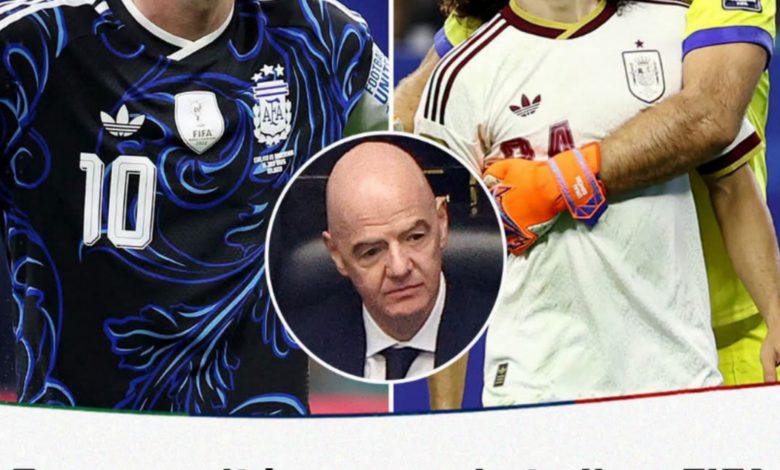
Ahead of Sunday’s final between Spain and Argentina, FIFA officially confirmed that the champions will receive 30 exclusive championship rings, adding a brand-new tradition to football’s biggest tournament.
The announcement has already generated huge debate among supporters around the world, with some welcoming the innovation while others believe it moves the World Cup further away from its traditional roots.
A New Tradition Begins
For decades, World Cup winners have celebrated by lifting the famous golden trophy and collecting their winners’ medals.
Now, FIFA has decided to introduce another symbol of success.
The governing body confirmed that the team crowned world champions at MetLife Stadium in New Jersey will receive 30 championship rings, which can be distributed among players, coaches, and members of the backroom staff.
It marks the first time in World Cup history that such an award has been presented.
More Than Just 30 Rings
Interestingly, FIFA isn’t producing only 30 rings.
Instead, the organization revealed that 2,026 championship rings will be created to commemorate the 2026 tournament.
Thirty of those rings will be reserved for the winning nation, while the remaining 1,996 will be made available to football supporters across the globe.
Each ring will feature the iconic FIFA World Cup trophy on one side, while the opposite side will be customized with details representing the winning nation.
The move is designed to create another collectible piece of World Cup history while giving fans the opportunity to own a unique souvenir from the tournament.
Spain and Argentina Set for History
The introduction of the championship rings means Sunday’s final carries even greater significance.
Spain secured their place in the final after defeating France 2-0 in Dallas.
Mikel Oyarzabal opened the scoring from the penalty spot before Pedro Porro sealed the victory with an excellent finish, sending La Roja into their first World Cup final in years.
Argentina, meanwhile, booked their place after an unforgettable 2-1 victory over England.
After falling behind early in the second half, the reigning world champions responded brilliantly, with Lionel Messi providing two assists before Lautaro Martínez scored the dramatic winning goal deep into stoppage time.
Now, Spain will be chasing their second World Cup title, while Argentina hope to lift the trophy for a fourth time.
Fans Divided by FIFA’s Decision
Although FIFA sees the rings as an exciting addition to the tournament, many supporters have reacted negatively.
Social media quickly filled with criticism following the announcement.
Some fans argued that championship rings belong to American sports rather than international football.
Others described the decision as unnecessary, believing that the World Cup trophy and winners’ medals are already the perfect rewards for becoming world champions.
A number of supporters also questioned whether football needs to borrow traditions from other sports when it already possesses some of the richest history in the world.
Despite the criticism, others welcomed the idea, suggesting the rings could become valuable keepsakes for players and staff while creating another memorable tradition for future tournaments.
American Influence on the Tournament
The championship rings are widely viewed as another example of the growing American influence on the 2026 FIFA World Cup.
Championship rings have been part of American sports culture for decades, particularly in the NBA, NFL, and Major League Baseball, where winning teams receive customized rings after capturing league titles.
Their introduction into football reflects the tournament’s North American setting.
However, the rings are not the only change that has sparked debate.
This year’s World Cup has already featured several innovations that many supporters believe have been inspired by American sporting culture.
One of the most discussed changes is the introduction of a 30-minute halftime show for the World Cup final.
While organizers see it as a way to create a bigger entertainment spectacle, critics argue that such a lengthy break could affect players physically and disrupt the rhythm of the match.
Hydration breaks have also become more common throughout the tournament.
Although introduced primarily for player welfare, some fans believe they interrupt the flow of games and provide coaches with additional opportunities to influence matches.
These developments have divided opinion throughout the competition.
Football Tradition vs Innovation
The debate surrounding the championship rings highlights a wider conversation about football’s future.
Should FIFA continue modernizing the sport by introducing new traditions and entertainment features?
Or should the World Cup remain as close as possible to its historic format?
Supporters who oppose the changes argue that football’s greatest strength has always been its simplicity and tradition.
Winning the World Cup has never required anything beyond lifting the famous trophy and celebrating with teammates.
Others believe the sport must continue evolving to engage new audiences around the world, especially with tournaments becoming increasingly global commercial events.
Whichever side of the debate fans fall on, one thing is certain—the introduction of championship rings has become one of the most talked-about stories ahead of the final.
The Bottom Line
The 2026 FIFA World Cup final will make history regardless of who wins.
Whether Spain lift their second title or Argentina claim a fourth world crown, the champions will become the first team ever to receive FIFA championship rings alongside the iconic World Cup trophy and winners’ medals.
While the decision has divided supporters, it represents another significant step in the evolution of football’s biggest tournament.
Now, all attention turns to New Jersey, where history awaits—and where one nation will leave not only with football’s greatest prize but also with a brand-new symbol of world championship success.