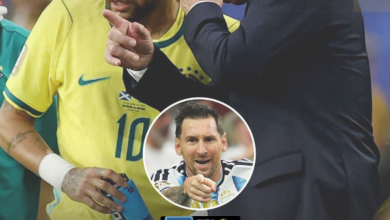
Scotland’s historic 1-0 win over Haiti should have been all anyone was talking about.
Instead, Andy Robertson has sparked one of the biggest rule debates of the World Cup so far.
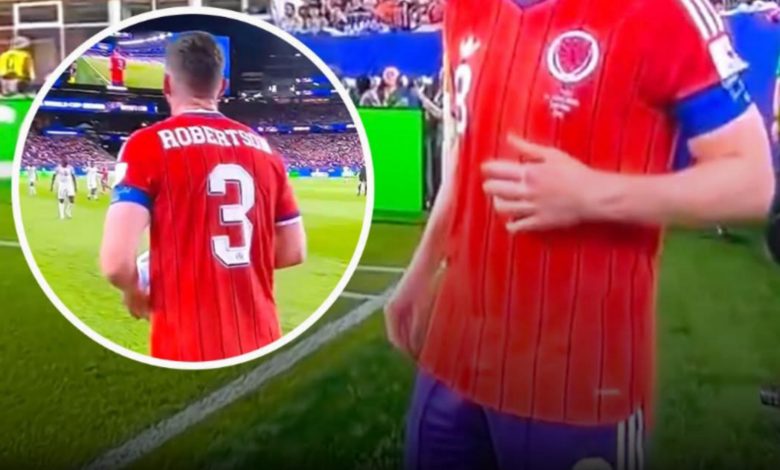
The Scotland captain appeared to exploit FIFA’s new five-second throw-in rule during the closing stages in Boston, with footage of the incident quickly going viral across social media.
Now, football officials have been forced to clarify exactly how the law should be enforced moving forward.
With Scotland protecting a narrow lead, Robertson approached a throw-in but deliberately left the ball on the ground while directing teammates into position.
More than 10 seconds passed before he finally took the throw.
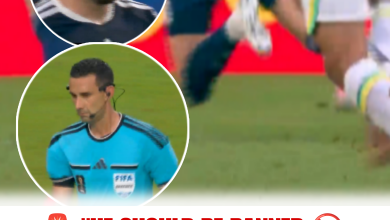
The referee allowed play to continue.
Fans immediately claimed Robertson had discovered a loophole in FIFA’s new anti-time-wasting rule.
One supporter joked: “Three days the time-wasting rule took… three days.”
Another wrote: “He’s found the cheat code already.”
But the reality is slightly different.
According to the official IFAB wording, referees do not need to wait for a player to pick up the ball before starting the five-second countdown.
The law specifically allows officials to begin counting if they believe a player is deliberately delaying the restart.
That means Robertson did not expose a flaw in the rule itself.
Instead, the incident highlighted inconsistencies in how it is being applied.
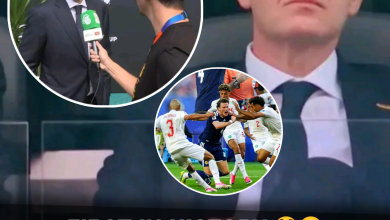
In Bosnia’s match against Canada, a player was penalised for taking too long over a throw-in.
Robertson, meanwhile, escaped punishment despite appearing to delay the restart for considerably longer.
The viral footage has now put the spotlight firmly on officials, with referees across the tournament expected to take a far stricter approach in future matches.
While FIFA has not rewritten the law, the controversy has effectively forced an early adjustment in how the rule will be interpreted and enforced.
The Bottom Line
A viral incident. A Scotland captain pushing the limits. And FIFA officials suddenly under pressure to ensure consistency.
Andy Robertson may not have forced a change to the wording of the rule — but he has almost certainly changed how referees will enforce it for the rest of the World Cup.