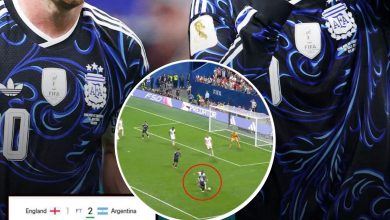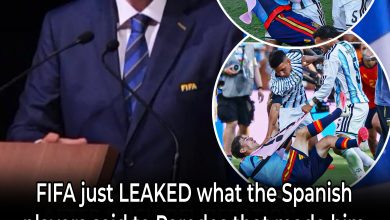
Spain were crowned 2026 FIFA World Cup champions after edging Argentina 1-0 in a dramatic final that went all the way into extra time. Ferran Torres’ decisive goal in the 105th minute sealed the victory, handing Spain their second World Cup title and adding another major trophy just two years after lifting the UEFA European Championship.
While Spain celebrated a historic triumph, much of the post-match discussion centered around a controversial incident involving Lionel Messi and Spanish defender Marc Cucurella.
Many supporters believed Cucurella should have been sent off after appearing to cover his mouth while speaking to Messi during a heated exchange. However, the referee took no action, leaving fans questioning why the defender remained on the pitch despite FIFA’s recently introduced regulations.
A former FIFA referee has now clarified exactly why the incident did not warrant a red card.
A Heated World Cup Final
The final was fiercely contested from the opening whistle.
Argentina entered the match hoping to defend their World Cup crown, while Spain were aiming to complete another remarkable chapter in one of the most successful periods in the nation’s football history.
As tensions increased throughout the match, disciplinary problems soon followed.
Argentina midfielder Enzo Fernández was sent off after receiving a second yellow card for a late challenge, leaving Lionel Scaloni’s side to finish the game with ten men.
Moments later, another controversial incident grabbed worldwide attention.
Messi Appeals for a Red Card
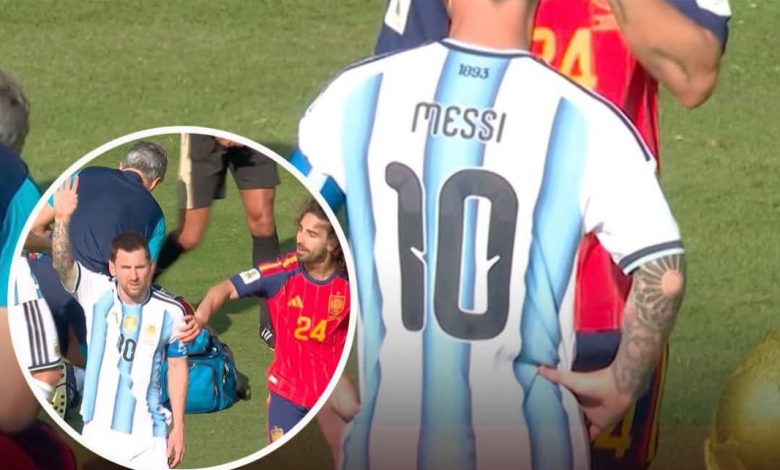
Television cameras caught Lionel Messi pointing towards Marc Cucurella while speaking to the referee.
The Spanish left-back had briefly covered his mouth while talking during an exchange with Messi.
Because FIFA introduced new regulations before the tournament regarding players covering their mouths during confrontations, many viewers immediately believed Spain were about to lose another player.
Messi appeared convinced the incident should result in a dismissal.
The referee disagreed.
Play continued, and Cucurella remained on the pitch until the final whistle.
FIFA’s New Rule Explained
Before the start of the 2026 FIFA World Cup, football’s governing body introduced a regulation aimed at increasing transparency during on-field confrontations.
Under the new rule, players who deliberately cover their mouths while speaking aggressively during confrontations with opponents can face a straight red card.
The objective is to discourage discriminatory language or abusive comments that cannot be verified because a player’s mouth is hidden from cameras.
The rule quickly became known by many supporters as the “Prestianni Rule,” following previous controversy involving Benfica youngster Gianluca Prestianni.
Since its introduction, referees have been instructed to punish players who intentionally attempt to hide abusive comments during aggressive confrontations.
However, not every instance of a player covering their mouth automatically results in dismissal.
Why Cucurella Escaped Punishment
Former Premier League referee Mark Halsey explained that context is crucial when applying the law.
According to Halsey, simply covering your mouth is not enough.
Officials must determine whether the player was acting aggressively during the conversation.
Halsey explained:
“We know it’s not a red card if you’re not being aggressive towards an opponent.”
In Cucurella’s case, referees judged that although he briefly covered his mouth while speaking, the interaction did not meet the threshold required for a dismissal.
Because there was no aggressive confrontation as defined by the law, the referee correctly allowed play to continue.
Rooney Also Questions Messi’s Reaction
Former England captain Wayne Rooney also commented on the incident during the BBC’s coverage.
Rooney suggested Messi’s appeal for a red card was unnecessary and reflected Argentina’s growing frustration after falling behind in extra time.
He also criticized Argentina’s overall conduct during the tournament, calling for greater sportsmanship in football’s biggest competition.
His comments echoed opinions shared by many pundits who believed the referee handled the situation correctly.
Confusion Surrounding the New Rule
Although FIFA’s intentions are clear, several incidents throughout the tournament have demonstrated that many supporters still misunderstand how the regulation works.
The first high-profile enforcement came when Miguel Almirón received a red card following a VAR review after covering his mouth during a confrontation.
Since then, other similar incidents have not resulted in dismissals.
This has led many fans to mistakenly believe the rule is being applied inconsistently.
Former officials insist the difference lies in the context of each incident rather than the action alone.
If the exchange is not considered aggressive, then covering the mouth by itself is not enough to justify a red card.
Spain Hold Their Nerve
Despite the controversy, Spain remained composed throughout extra time.
Ferran Torres’ goal proved enough to secure victory as Luis de la Fuente’s side successfully defended their slender advantage during the closing stages.
Argentina pushed desperately for an equaliser but were unable to find a breakthrough, particularly after Enzo Fernández’s dismissal left them a man short.
The final whistle sparked emotional celebrations among the Spanish players, while Messi and his teammates were left devastated after falling just short of retaining their world title.
A Rule That Will Continue to Be Debated
The incident involving Messi and Cucurella has once again highlighted how football’s newest regulations remain open to interpretation.
While some supporters believed Spain should have finished the game with ten men, former officials have made it clear that the referee correctly applied FIFA’s guidelines.
The controversy is likely to continue generating debate long after the final, especially as referees adapt to enforcing one of football’s newest laws.
The Bottom Line
Marc Cucurella was not sent off because FIFA’s regulation does not automatically punish every player who covers their mouth.
For a red card to be issued, officials must judge that the player covered their mouth during an aggressive confrontation.
According to former FIFA referee Mark Halsey, Cucurella’s actions did not meet that standard, meaning the referee’s decision to keep him on the pitch was consistent with the current Laws of the Game.
Spain ultimately lifted the World Cup trophy, while the debate surrounding one of the tournament’s most talked-about moments is set to continue.