SPFL Statement Sparks Fresh Debate as Scottish Clubs Return from International Break
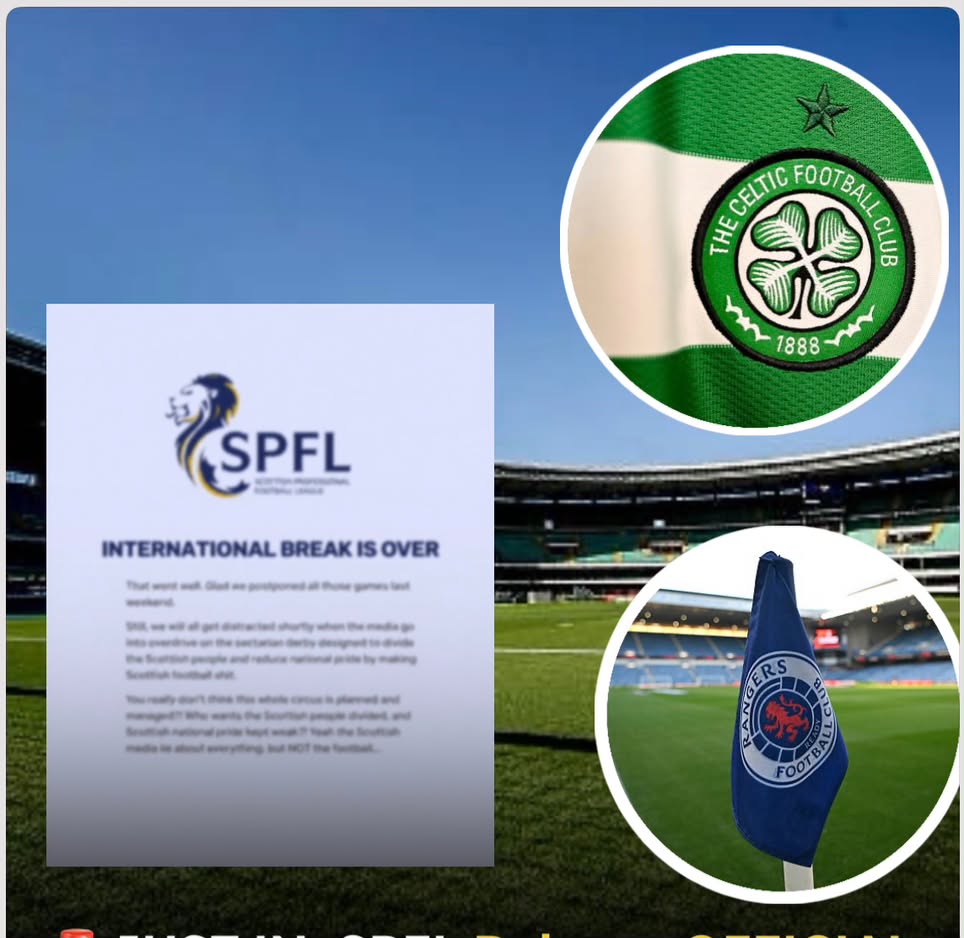
Scottish football is back in action following the international break, but the return of domestic football has brought renewed attention to disciplinary measures, supporter restrictions and the growing pressure on clubs to keep control of their fans. With Celtic and Rangers at the centre of an ongoing controversy over away allocations, Aberdeen facing a significant ticketing sanction and an important appeal hearing approaching, supporters have plenty to discuss as the season gathers momentum.
The international break may have offered players an opportunity to recover and managers time to reassess their squads, but it has done little to quieten the arguments surrounding Scottish football.
As the William Hill Premiership resumed over the weekend of October 10–11, 2026, attention quickly returned to the pitch. Rangers defeated Kilmarnock 3-1 at Ibrox on Saturday, October 10, temporarily moving to the top of the table before Celtic responded with a 2-0 victory over Motherwell on Sunday to reclaim first place, two points clear. (spfl.co.uk)
However, the sporting competition is only part of the story.
Questions about crowd behaviour, stadium safety, ticket allocations and the punishment of clubs remain significant talking points. Recent decisions by the Scottish Professional Football League (SPFL) and the Scottish Football Association (SFA) have placed the relationship between clubs, supporters and football authorities under renewed scrutiny.
But what has actually changed, which clubs are affected, and what should supporters know?
SPFL’s Confirmed Decision: Celtic and Rangers Face Continued Away-Fan Restrictions
One of the most significant developments affecting Scottish football this season concerns the arrangements for matches between Celtic and Rangers.
On September 4, the SPFL confirmed that there would be no away supporters at matches involving the two Glasgow clubs in SPFL competitions for the remainder of the 2026/27 season.
The decision followed discussions involving the clubs, the league and Police Scotland after an independent review examined the events surrounding the Scottish Gas Men’s Scottish Cup quarter-final at Ibrox on March 8, 2026.
Before the latest decision, Celtic and Rangers had agreed to an away allocation equivalent to five per cent of the available capacity at their respective grounds for their SPFL meetings.
However, arrangements for the September fixtures were reconsidered following the incidents at Ibrox and the subsequent independent review. Rangers proposed a reduced allocation for the Premier Sports Cup meeting, while Celtic rejected the proposal and sought a determination from the SPFL.
Following further discussions, the parties agreed to exclude away supporters from their SPFL meetings for the remainder of the campaign. The arrangement is subject to review if circumstances materially change. (spfl.co.uk)
This means the consequences extend beyond one match.
For supporters, the restrictions affect the traditional atmosphere of one of British football’s most fiercely contested rivalries. Away supporters have historically contributed to the intensity, colour and spectacle surrounding these encounters.
For the clubs, the decision creates additional considerations around ticketing, matchday operations and supporter communication.
The authorities have presented the temporary arrangement as a measure intended to provide greater certainty while allowing time to consider the independent review’s recommendations.
Nevertheless, it remains a contentious subject among supporters who believe away-fan allocations are an essential part of the matchday experience.
The central question is whether the restrictions will help improve safety and create the conditions necessary for a return to normal allocations in the future.
For now, the position is clear: Celtic and Rangers supporters should not expect away allocations at their clubs’ SPFL meetings during the remainder of the 2026/27 season.
Celtic and Rangers Await an Important Appeal Hearing
The controversy surrounding the Glasgow rivals does not end with away tickets.
Both clubs are also challenging sanctions imposed by the Scottish FA following the disorder that occurred during their Scottish Cup quarter-final at Ibrox in March.
The sanctions included an order for each club to play its next home Scottish Cup fixture behind closed doors, alongside a requirement to pay £100,000 to the opposing club in connection with that match.
The punishment also included a provision that a second match would be played behind closed doors if further trouble occurred at a Scottish Cup fixture before the end of the following season.
Celtic and Rangers appealed against the sanctions, with an appeal hearing scheduled for October 26, 2026, according to reporting by Sky Sports published on September 25. (Sky Sports)
The hearing is important because its outcome could influence how the clubs approach future Scottish Cup fixtures and their responsibilities concerning supporter behaviour.
For both sets of supporters, the key issue is whether the original sanctions will be upheld, changed or overturned.
It is important, however, to distinguish the two processes.
The away-fan restrictions for SPFL competitions are the result of the September agreement involving the league and both clubs. The behind-closed-doors sanctions being appealed were imposed through the Scottish FA disciplinary process.
They are related to the same broader concerns about crowd safety, but they are not one blanket punishment announced against every Scottish club.
The distinction matters because the SPFL and the Scottish FA have different responsibilities within Scottish football.
Aberdeen Become Another Club Facing Disciplinary Consequences
Celtic and Rangers are not the only clubs whose supporters have been affected by disciplinary decisions.
Aberdeen were sanctioned following two serious incidents during their Premier Sports Cup quarter-final against Kilmarnock on September 12.
The match finished 1-1 before Aberdeen won 3-1 on penalties. However, the SPFL subsequently concluded proceedings relating to a large-scale organised and illegal pyrotechnics display and a pitch incursion.
On September 25, the league confirmed that Aberdeen would lose 500 tickets from their allocation for the Premier Sports Cup semi-final against Rangers at Hampden Park on October 31.
The club was also required to cover the cost of those tickets as part of the sanction. (spfl.co.uk)
For Aberdeen, the decision represents a direct sporting and financial consequence of supporter-related incidents.
A reduction in the number of tickets available to fans can affect the atmosphere inside the stadium and limit the number of supporters able to attend a major cup occasion.
The financial element is also significant because the club must cover the cost of the tickets included in the sanction.
More broadly, the case demonstrates that disciplinary action is not limited to the most high-profile clubs in Scotland.
It also reinforces the message that clubs can face consequences when serious incidents occur during their matches.
For supporters, the situation raises an important question: should clubs be held financially and competitively responsible for incidents involving sections of their fanbase?
Football authorities must balance the need to protect the safety of players, officials and spectators against concerns about whether punishments unfairly affect supporters who were not involved in the incidents.
That debate is likely to continue as Scottish football approaches more major fixtures.
The International Break Is Over, and the Pressure Is Back on the Pitch
While disciplinary matters dominate part of the conversation, the resumption of the league has also delivered an important reminder that footballing results remain the immediate priority for managers and players.
Rangers returned to action on October 10 with a 3-1 victory over Kilmarnock at Ibrox. The result moved them to the top of the William Hill Premiership table at that point in the weekend.
Celtic responded the following day with a 2-0 win over Motherwell at Fir Park.
Camilo Duran opened the scoring for Martin O’Neill’s side, while Benjamin Nygren added the second shortly before the hour mark. The victory sent Celtic back to the summit, two points clear at the top. (spfl.co.uk)
Those results illustrate how quickly the balance at the top of the Scottish Premiership can change.
For Celtic and Rangers, every point matters in a title race where even a brief loss of momentum can increase the pressure on managers and players.
The coming weeks will therefore test both sides on multiple fronts: delivering consistent performances, managing expectations and navigating the continuing debate surrounding supporter arrangements.
Other clubs will also be eager to take advantage of any slip-ups.
Heart of Midlothian, for example, recorded a 5-0 victory over St Mirren on October 10, underlining the threat posed by teams outside the traditional Glasgow rivalry. Dundee also strengthened their position with a 2-1 win over Falkirk. (spfl.co.uk)
The title race is consequently about more than the outcome of the next Celtic-Rangers encounter.
Consistency across the campaign will determine which clubs remain in contention when the season reaches its decisive stages.
What Happens Next for Scottish Clubs?
The coming weeks offer several important dates for supporters to watch.
The next William Hill Premiership round is scheduled for October 17–18. Rangers are due to visit Dundee on Saturday, October 17, while Celtic are scheduled to host Heart of Midlothian on Sunday, October 18.
Aberdeen are scheduled to host St Mirren on October 17. Meanwhile, the Premier Sports Cup semi-finals are scheduled for October 31 and November 1, with Aberdeen’s reduced allocation for their meeting with Rangers already confirmed. (spfl.co.uk)
These fixtures will provide further opportunities for clubs to demonstrate that they can deliver competitive football while maintaining safe matchday environments.
The October 26 appeal hearing involving Celtic and Rangers will also be an important date for supporters following the disciplinary dispute.
Until the appeal is decided, it would be premature to claim that the original Scottish FA sanctions have been overturned or that new penalties have been imposed.
Similarly, supporters should be cautious about social media graphics suggesting that the SPFL has introduced sweeping new rules affecting every club after the international break.
The league has issued several genuine announcements concerning individual matters, but the confirmed decisions discussed here do not establish a new blanket disciplinary rule for all Scottish clubs.
Final Verdict: Scottish Football Faces Important Questions, but the Facts Matter
The return of domestic football has brought renewed attention to the challenges facing Scottish football authorities.
Celtic and Rangers remain subject to an agreement excluding away supporters from their SPFL meetings for the rest of the 2026/27 campaign. Both clubs are also challenging Scottish FA sanctions linked to the disorder at Ibrox, with an appeal hearing scheduled for October 26.
Aberdeen, meanwhile, must contend with a 500-ticket reduction for their Premier Sports Cup semi-final against Rangers following serious incidents during their quarter-final against Kilmarnock.
These are significant developments, and they demonstrate that supporter behaviour, stadium safety and disciplinary accountability remain major issues across the Scottish game.
However, there is no verified basis for claiming that the SPFL has announced an entirely new set of rules affecting every Scottish club simply because the international break has ended.
The more accurate story is that existing restrictions and disciplinary decisions are continuing to shape the season while the title race intensifies.
For supporters, the next few weeks could bring further debate, important results and a clearer picture of how the authorities intend to address the challenges surrounding major fixtures.
One thing is certain: Scottish football has plenty at stake, both on the pitch and off it.