Things have taken another dramatic turn following Aberdeen’s frustrating 3-2 defeat to Rangers at Ibrox, with the controversial penalty incident involving the two sides attracting significant attention.
What was expected to be another fiercely contested Scottish Premiership encounter turned into a night of drama, controversial decisions and late heartbreak for the visitors, who were left questioning whether they should have been awarded a crucial penalty.
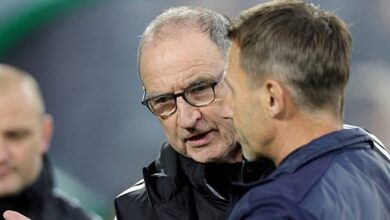
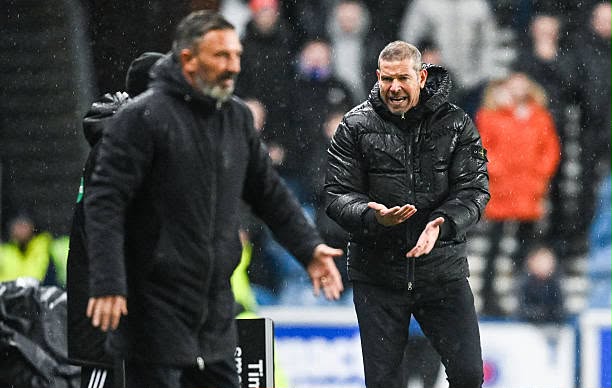
Aberdeen travelled to Glasgow determined to make a statement under new manager Mario Frick, and for large periods of the contest, they looked capable of producing a memorable result against Derek McInnes’ Rangers.
However, despite taking an impressive first-half lead and fighting their way back into the contest after Rangers’ remarkable second-half turnaround, the Dons eventually left Ibrox empty-handed.
But the result is not the only thing generating discussion.
Attention has increasingly shifted towards the late incident involving Aberdeen defender Nesta Guinness-Walker and Rangers midfielder Nicolas Raskin, with the visitors appearing to have a strong case for a penalty.
And with VAR once again at the centre of the conversation, questions are beginning to emerge about the consistency of officiating in Scottish football.
Aberdeen’s Impressive First Half Performance Goes Unrewarded
Aberdeen entered the contest knowing that a positive result against Rangers could provide a significant boost to their ambitions this season.
The visitors certainly did not look intimidated by the atmosphere at Ibrox.
Despite Rangers creating early opportunities, Aberdeen gradually settled into the contest and began finding spaces in the home side’s defensive structure.
Their persistence eventually paid off around the half-hour mark.
Findlay Marshall delivered a dangerous corner towards the back post, where Brad Lyons rose brilliantly to direct a powerful header towards goal.
Nicolas Raskin attempted to prevent the ball from crossing the line, but after a VAR check, the goal was awarded.
Aberdeen were deservedly ahead.
The visitors could even have doubled their advantage before the interval, with Ayoub Mouloua missing a particularly promising opportunity after finding himself through on goal.
Kevin Nisbet also had an opportunity to extend Aberdeen’s lead, but his effort drifted wide.
At half-time, Mario Frick’s men had every reason to believe they could leave Glasgow with something special.
Rangers Turn The Game Around In Extraordinary Fashion
However, the second half produced a completely different story.
Derek McInnes responded by introducing three substitutes, including Minsu Kim, and the changes immediately transformed Rangers’ attacking performance.
Just 41 seconds after the restart, Ryan Naderi capitalised on a rebound after Marius Muller failed to hold Minsu’s effort.
Before Aberdeen could recover, Rangers had taken the lead.
Djeidi Gassama collected a wonderful pass from Naderi before finishing confidently, leaving the visitors stunned.
The turnaround was completed when Nicolas Raskin finished off another devastating Rangers counterattack to make it 3-1.
Three goals in a remarkable second-half spell had completely changed the complexion of the contest.
Nevertheless, Aberdeen refused to surrender.
Findlay Marshall produced a superb finish to reduce the deficit to 3-2, setting up a tense closing period as the visitors desperately searched for an equaliser.
And it was during those closing stages that another major talking point emerged.
Aberdeen’s Late Penalty Appeal Sparks Another VAR Storm
With Aberdeen pushing forward in search of an equaliser, the visitors believed they had a strong reason to demand a penalty.
Nesta Guinness-Walker went down inside the Rangers penalty area under pressure from Nicolas Raskin.
The Aberdeen players immediately appeared unhappy with the challenge, with the incident generating an appeal for a spot-kick.
However, referee John Beaton did not award a penalty.
More importantly, VAR official Kevin Clancy did not recommend that the referee review the incident on the pitchside monitor.
That decision has become a major talking point following the encounter.
For Aberdeen, the timing could hardly have been worse.
They were already trailing by a single goal and desperately searching for a way back into the game. A penalty would have provided an opportunity to level the score and potentially change the outcome of the contest.
Instead, play continued, and Rangers managed to protect their advantage until the final whistle.
The controversy is particularly interesting because VAR had already played an important role earlier in the same match, confirming that Brad Lyons’ header had crossed the goal line despite Raskin’s attempted clearance.
This time, however, the technology did not produce the decision Aberdeen were hoping for.
Why The Incident Could Become A Bigger Problem
The late penalty appeal has added another layer of scrutiny to the officiating discussion surrounding Scottish football.
One of the biggest questions is whether the contact from Raskin on Guinness-Walker was sufficient to warrant a penalty.
Under the laws of the game, a penalty can be awarded when a defending player commits a direct-free-kick offence inside their own penalty area.
However, not every physical challenge or coming together automatically constitutes a foul.
VAR is also restricted by its intervention threshold. It is generally expected to intervene when there is a clear and obvious error involving a potential penalty decision.
That means the decision not to send Beaton to the monitor does not necessarily mean there was no contact. It indicates that VAR did not consider the incident to meet the threshold for an on-field review.
Nevertheless, supporters will naturally want greater clarity when decisions of this magnitude potentially influence the outcome of important matches.
For Aberdeen, the frustration will be even greater considering how well they performed during the first half.
Aberdeen’s Report And The Questions Surrounding VAR
The suggestion of an Aberdeen report or formal complaint over the penalty incident adds another intriguing dimension to the developing controversy.
However, there is an important distinction: as of November 25, there has been no independently confirmed announcement that Aberdeen have formally submitted a complaint to the Scottish FA over this particular incident.
The late appeal itself is established, and the decision not to award a penalty has been reported.
Whether Aberdeen intend to take the matter further remains a separate question.
A formal complaint or request for clarification would potentially give the club an opportunity to seek an explanation of the decision-making process.
It could also bring further attention to the VAR assessment and the reasoning behind allowing play to continue.
For now, the focus remains on the controversial moment and whether the officials reached the correct conclusion.
Rangers Secure Three Points But Aberdeen Leave With Plenty To Discuss
While the penalty controversy continues to attract attention, Rangers will undoubtedly be delighted with the outcome.
The victory moved Derek McInnes’ side to within one point of Scottish Premiership leaders Celtic, giving them a significant opportunity to challenge for the top position.
For Aberdeen, however, there will be disappointment.
Mario Frick suffered his first defeat as Aberdeen manager, but his side demonstrated enough quality and attacking ambition to suggest that they can trouble some of the strongest teams in the division.
Findlay Marshall was particularly impressive, scoring and providing an attacking threat throughout the contest.
Ultimately, the Dons will feel that their first-half performance deserved a better reward.
But the late penalty appeal has provided another talking point that could continue long after the final whistle.
With VAR already influencing the match through the decision to award Aberdeen’s opening goal, the contrasting outcome of the late penalty appeal has inevitably attracted attention.
And the big question remains: SHOULD ABERDEEN HAVE BEEN AWARDED A PENALTY AFTER THE LATE COLLISION BETWEEN GUINNESS-WALKER AND RASKIN?
For the Dons, it could have been the difference between leaving Ibrox with nothing and taking a valuable point back to Aberdeen.