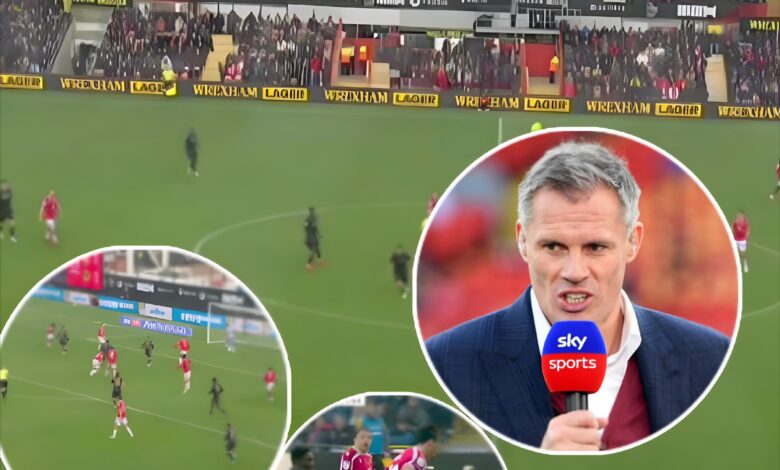
Wolverhampton Wanderers supporters have been left frustrated following Adam Armstrong’s disappointing attacking performance against Wrexham, with questions emerging about his finishing ability and whether he is doing enough to justify the confidence placed in him.
For a club hoping to build momentum and make progress in the Championship, every attacking opportunity matters. Supporters expect their forwards to be decisive, particularly in matches where a single moment of quality can make the difference. Unfortunately for Armstrong, his performance has left plenty of Wolves fans discussing what went wrong.
The criticism has centred on one major issue: his finishing.
Armstrong arrived on the pitch with the responsibility of helping Wolves turn their attacking movements into meaningful opportunities. The team needed somebody capable of making intelligent runs, putting defenders under pressure and taking advantage of chances inside the penalty area.
However, the frustration among supporters grew as promising attacking situations failed to produce the clinical finishing they wanted to see.
A FORWARD WHO COULD NOT FIND HIS SHOOTING BOOTS
One of the biggest responsibilities of a striker is converting opportunities into goals. It is not always possible to score every chance, but supporters want to see composure, confidence and conviction whenever their team’s forward gets into a dangerous position.
Against Wrexham, Armstrong became the centre of attention because his finishing did not appear to meet the expectations surrounding him.
There were moments when Wolves needed their attacking players to show greater composure. Instead of making the most of opportunities, the final action left supporters disappointed.
For a striker, confidence is everything.
Once a forward begins struggling in front of goal, even relatively straightforward opportunities can become difficult. The pressure increases, the crowd becomes more impatient, and every missed opportunity attracts greater attention.
That is the situation Armstrong now finds himself facing among sections of the Wolves fanbase.
Supporters are not simply interested in seeing their striker run around the pitch. They want goals, intelligent movement and the ability to make defenders uncomfortable.
When those qualities are missing, criticism becomes inevitable.
WOLVES SUPPORTERS BEGIN ASKING QUESTIONS
The reaction from supporters has been particularly interesting because Wolves fans understand the importance of having a reliable striker.
A team can dominate possession, create opportunities and move the ball beautifully through midfield, but without someone capable of finishing those moves, all that attacking work can become meaningless.
That is why Armstrong’s performance has attracted attention.
Fans have been asking whether he is struggling with confidence or whether the team needs a different attacking option capable of bringing more quality in front of goal.
The frustration is understandable.
Supporters travel to matches, spend their money and give their players encouragement because they want to see the club succeed. They do not expect perfection, but they certainly expect commitment and improved performances.
One supporter might forgive a missed opportunity. Another might understand a difficult afternoon against an organised defence.
However, when the same attacking problems become a talking point, patience can quickly disappear.
The question being asked is simple: what has happened to Adam Armstrong?
THE PRESSURE OF PLAYING AS WOLVES’ STRIKER
Playing as a striker for a club with Wolves’ ambitions comes with considerable responsibility.
Unlike defenders, who can sometimes go unnoticed when doing their jobs effectively, forwards are judged heavily on their contribution in the final third.
A midfielder can complete several excellent passes and control the tempo of a match. A defender can make important tackles and interceptions. But when a striker receives an opportunity inside the box, supporters immediately expect something special.
That is the reality of modern football.
Armstrong must understand that his position demands more than simply being available for passes. He needs to demonstrate that he can turn opportunities into goals and provide the attacking threat Wolves require.
His movement, positioning and work rate remain important, but finishing is the quality that will ultimately determine how supporters judge his contribution.
The pressure will only increase if Wolves continue creating opportunities without getting the required results from their forwards.
WHY THE MISSED CHANCES MATTER
Poor finishing does not only affect the individual striker. It can influence the confidence of the entire team.
Imagine a midfielder making an excellent forward pass, only for the striker to fail to take advantage of the opportunity.
The midfielder may become less confident about attempting the same pass again. Wingers might begin choosing to shoot rather than deliver crosses. Other attacking players may start questioning whether their movement is being rewarded.
This is why clinical finishing is so important.
Wolves need their attacking players to trust one another. They need a forward who can give the team confidence whenever the ball enters the opposition’s penalty area.
Armstrong has an opportunity to change the conversation, but he must respond with performances that demonstrate greater composure.
SHOULD WOLVES CONSIDER A DIFFERENT ATTACKING OPTION?
This is another question that has started attracting attention.
Football supporters are often quick to demand changes when a striker struggles, and Wolves fans will naturally want to see the strongest possible attacking combination.
If Armstrong continues struggling to convert chances, the coaching staff may face questions about whether another forward deserves an opportunity.
Competition for places is an important part of football.
No striker should feel completely comfortable with his starting position when performances are not meeting expectations. Every attacking player must understand that opportunities have to be earned.
However, replacing Armstrong should not automatically be considered the answer.
Sometimes a striker needs better service, improved confidence or a tactical adjustment that allows him to operate in more dangerous positions.
The coaching staff must examine the bigger picture while also demanding more from the player.
Armstrong has to take responsibility for his own finishing, but Wolves must also ensure that their attacking system creates the right conditions for their forwards to succeed.
THE MESSAGE TO ADAM ARMSTRONG
The criticism from supporters should serve as a reminder of the expectations attached to playing for Wolverhampton Wanderers.
Fans want to see a striker who attacks every opportunity with determination. They want somebody who does not hesitate when presented with a chance to score.
Most importantly, they want somebody who can deliver when the team needs him.
Armstrong still has an opportunity to win back the confidence of supporters.
One excellent performance, a couple of important goals and a more clinical approach could quickly change the atmosphere surrounding him.
But he cannot afford to ignore the questions being asked.
The Championship is demanding, and Wolves need consistency from every player if they are serious about achieving their objectives.
WHAT HAPPENS NEXT?
The attention will now turn to Armstrong’s response.
Will he use the criticism as motivation and return with a stronger performance, or will the questions surrounding his finishing continue?
For Wolves supporters, the answer is simple: they want goals.
They want their striker to be confident, decisive and capable of punishing opposition defenders whenever opportunities arrive.
The club cannot afford to waste too many chances, especially when every point could become important as the season progresses.
Armstrong has the responsibility to show that he can deliver.
For now, one question continues to dominate conversations among frustrated Wolves supporters:
WHAT HAS HAPPENED TO ADAM ARMSTRONG?
The next performance could be extremely important in changing the mood around the striker.