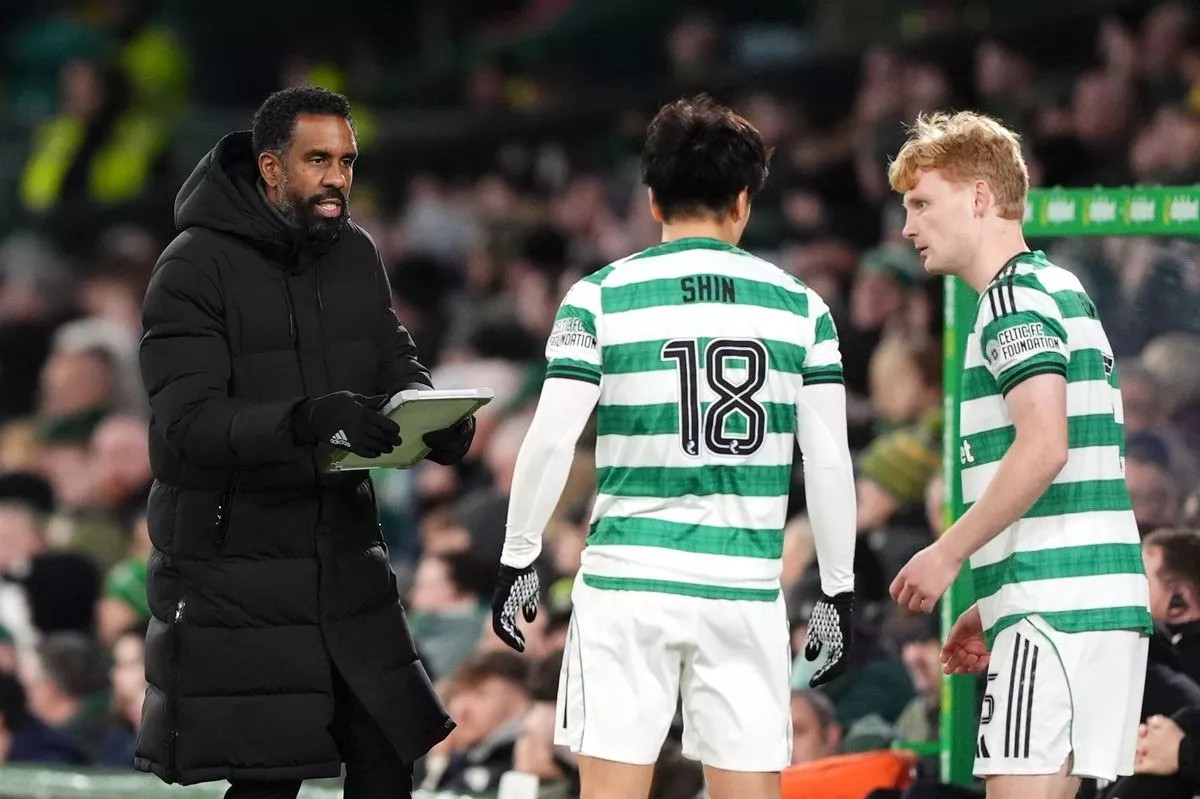
For more than half a decade, Callum McGregor has been the heartbeat of Celtic. Through league titles, domestic cup triumphs, unforgettable European nights and periods of intense pressure, the midfielder has worn the captain’s armband with distinction and has become one of the club’s most respected modern leaders.
But as the 2026/27 season gathers momentum, discussion surrounding Celtic’s long-term captaincy is beginning to intensify. While there has been no official announcement from the club that McGregor is being replaced as captain, supporters and pundits alike are debating who could eventually inherit one of the biggest honours in Scottish football.
The conversation has grown louder after several players have impressed in leadership roles whenever McGregor has been unavailable or rested. One name that continues to surface is defender Liam Scales, whose influence both on and off the pitch has increased significantly over the past two seasons.
Although Celtic have not confirmed any imminent captaincy change, the club’s growing leadership group has become one of the most talked-about storylines surrounding Martin O’Neill’s squad.
McGregor Remains Celtic’s Undisputed Leader
As of today, Callum McGregor remains Celtic’s official captain.
The 33-year-old continues to be one of the first names on Martin O’Neill’s teamsheet and remains central to everything Celtic do. After guiding the Hoops through another dramatic title-winning campaign last season, McGregor has repeatedly spoken about the responsibility of wearing the armband and his determination to keep competing for trophies.
His influence stretches far beyond the football pitch.
Inside the dressing room, McGregor is widely regarded as the player who sets standards every single day in training. Younger players regularly point to his professionalism, while experienced teammates acknowledge that he remains the emotional leader of the squad.
That is precisely why any discussion about Celtic’s future captain naturally attracts enormous attention.
Why The Debate Has Suddenly Intensified
The speculation has little to do with McGregor losing the confidence of his manager or teammates.
Instead, it reflects sensible long-term planning.
Every successful football club prepares for eventual transitions before they become necessary. Celtic have done this successfully throughout their history, ensuring leadership is passed from one respected figure to another without disrupting the team’s identity.
Recent matches have demonstrated that Martin O’Neill trusts several senior players with additional responsibility whenever McGregor is unavailable.
One player who has repeatedly impressed is Liam Scales.
Liam Scales Has Quietly Built His Leadership Credentials
Scales’ journey at Celtic has been remarkable.
Initially viewed by many as a squad player, the Republic of Ireland international has gradually developed into one of the club’s most dependable performers.
His consistency, calmness under pressure and willingness to organise teammates have not gone unnoticed.
Earlier this year, Scales was unexpectedly handed the captain’s armband after McGregor was unavailable shortly before kick-off, describing the experience as a huge honour and embracing the responsibility.
He also captained Celtic during another league fixture when McGregor was rested, showing that the coaching staff already trust him as part of the team’s leadership structure.
Those moments have inevitably fuelled debate among supporters over whether Scales could one day become a permanent club captain.
Leadership Is Becoming A Bigger Priority
Martin O’Neill has consistently emphasised the importance of experienced voices inside the dressing room.
Following last season’s demanding title race, Celtic relied heavily upon senior players to steady the squad through difficult moments.
McGregor himself admitted that winning trophies requires numerous leaders rather than relying on one individual.
That philosophy appears to be shaping Celtic’s current squad.
Players such as Liam Scales, Cameron Carter-Vickers, Kieran Tierney and James Forrest all provide different forms of leadership alongside McGregor.
Rather than identifying one obvious successor immediately, Celtic seem to be building multiple leaders capable of stepping forward whenever required.
Could Celtic Introduce A Stronger Leadership Group?
Modern football has changed dramatically.
Many elite clubs no longer depend solely upon one captain to drive standards.
Instead, they operate with leadership groups involving four or five experienced professionals who help maintain standards across training, matches and the dressing room.
Celtic already appear to be moving in that direction.
The club has regularly entrusted experienced players with captaincy duties during rotation or injury periods, suggesting Martin O’Neill values shared responsibility rather than placing every leadership burden upon McGregor alone.
That approach could prove vital during another demanding campaign involving domestic competitions and European football.
Why Stability Still Matters
Despite the speculation, replacing Callum McGregor now would surprise many observers.
He remains one of Celtic’s most influential performers and continues to command enormous respect from teammates and supporters alike.
There has been no indication from Celtic that they intend to remove him as captain.
Instead, current discussions centre more around succession planning than immediate change.
Football clubs that manage leadership transitions effectively often avoid the disruption experienced elsewhere.
Rather than waiting until a captain retires or departs, successful clubs gradually prepare future leaders years in advance.
That appears to be exactly what Celtic are doing.
What Makes A Great Celtic Captain?
History places enormous expectations upon anyone wearing the famous armband.
Captains must represent Celtic on and off the pitch.
They must communicate with referees, inspire teammates, manage pressure from enormous expectations and connect with supporters who demand success every season.
McGregor has consistently delivered those qualities.
Should Liam Scales or another senior player eventually inherit the role, they would need to demonstrate exactly the same resilience, consistency and professionalism.
Fortunately for Celtic, the club appears blessed with several experienced personalities capable of embracing greater responsibility whenever called upon.
Fans Already Have Their Opinions
Supporters remain divided.
Some believe McGregor should continue as captain for as long as he remains a regular starter.
Others argue that gradually preparing the next generation now will make any future transition far smoother.
Liam Scales has attracted growing support after his composed performances while wearing the armband.
Others point toward experienced players like Carter-Vickers or Kieran Tierney as possible long-term candidates.
Whatever opinions exist among supporters, there is widespread agreement on one point:
Celtic are fortunate to possess multiple respected leaders inside their current dressing room.
The Verdict
The headline suggesting Celtic are preparing a huge captaincy decision reflects an increasingly important conversation around the club’s future leadership.
However, based on information available today, Callum McGregor remains Celtic’s official captain, and there has been no official confirmation that the armband is about to change hands.
What is becoming increasingly clear is that Martin O’Neill and the coaching staff are carefully identifying players capable of leading whenever circumstances demand it.
Liam Scales has undoubtedly strengthened his credentials through composed performances and previous appearances as stand-in captain. His development represents another success story within Celtic’s squad and demonstrates the club’s commitment to building leadership from within.
Whether McGregor continues wearing the armband for several more seasons or eventually passes it on, Celtic appear well positioned for the future.
Strong teams are built on more than talent alone.
They are built on leadership, character and responsibility.
If recent months are any indication, Celtic may already have the foundations in place to ensure that whenever the next captain eventually emerges, the transition will be seamless rather than dramatic—and that could prove just as important as any signing made during the transfer window.