César Peixoto Faces Pressure to Rethink Marshall Munetsi’s Role After Frustrating Portsmouth Draw
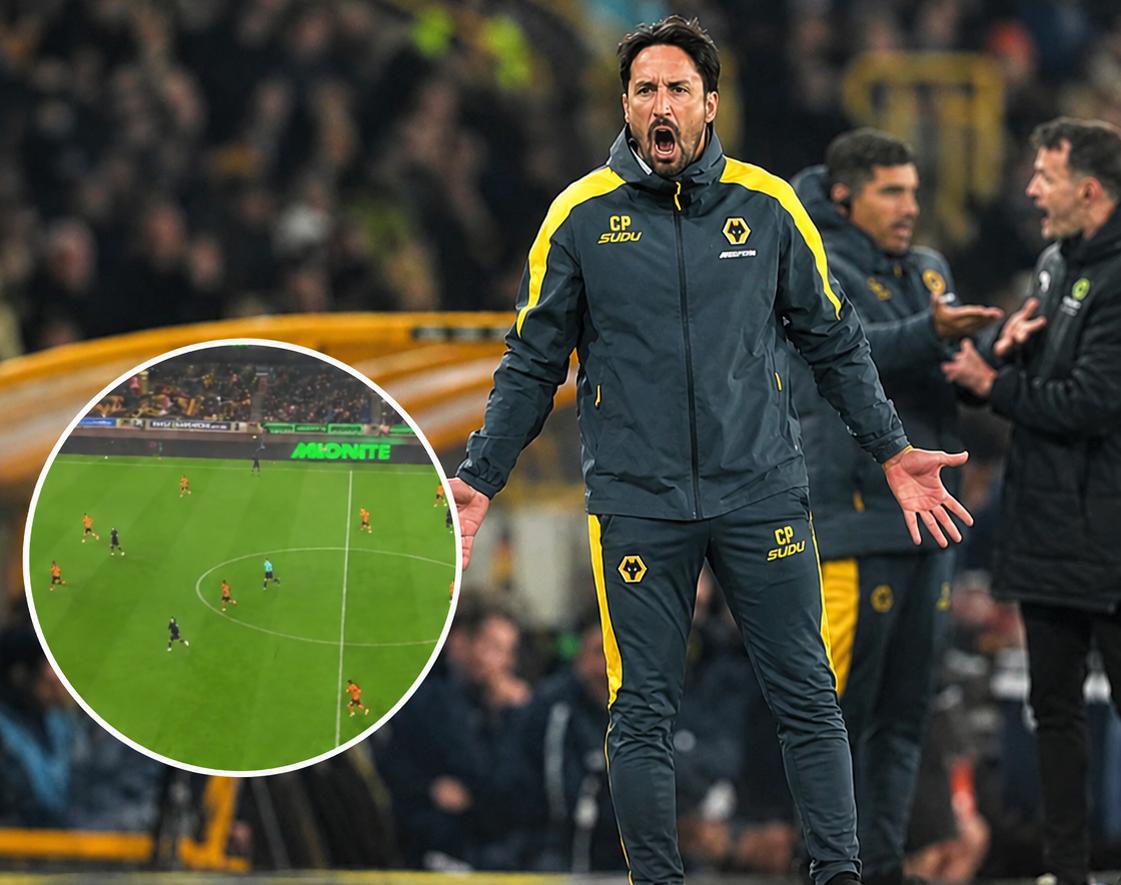
Wolves’ tactical gamble has sparked frustration after their 1-1 draw against Portsmouth, with supporters questioning César Peixoto’s decision to deploy Marshall Munetsi in an advanced midfield role.
Wolves were hoping to come away with a positive result from their clash with Portsmouth, but the 1-1 draw has left questions hanging over César Peixoto’s tactical decisions.
While earning a point is better than suffering defeat, the performance has reportedly frustrated sections of the Wolves support, particularly those who believe Peixoto is making unnecessary changes to the team’s setup.
At the centre of the discussion is Marshall Munetsi, whose deployment in an advanced midfield position has raised doubts about whether the Zimbabwean international is being used to his strengths.
For a team with ambitions of challenging near the top of the Championship, supporters want to see a clear tactical identity, consistent selection decisions and performances that deliver results.
Instead, Peixoto now faces questions about whether his latest experiment was worth the risk.
The Tactical Experiment That Raised Eyebrows
César Peixoto has shown a willingness to explore different tactical options, but not every adjustment will produce the desired outcome.
Against Portsmouth, the Wolves manager reportedly opted to use Munetsi in a more advanced midfield role, hoping the midfielder’s physical presence, energy and ability to compete would help Wolves gain an advantage.
On paper, the idea may have appeared reasonable. Munetsi possesses qualities that can be useful when pressing opponents, winning second balls and supporting attacking moves.
However, playing in an advanced position requires more than physical strength.
A number 10 must be capable of finding space between the opposition’s defensive and midfield lines, creating opportunities for teammates, linking attacks and making decisive contributions in the final third.
Those are the qualities Wolves needed from their attacking midfield position against Portsmouth.
According to the match narrative presented by critics, Munetsi struggled to influence proceedings consistently, raising questions about whether he was the right option for that particular role.
The issue is not necessarily whether Munetsi is a good player. It is whether Peixoto selected the right player for the right position.
That distinction matters.
A footballer can possess plenty of quality and still struggle when deployed in a system that does not suit his strongest attributes.
Wolves Supporters Want the Experiment Abandoned
The reported reaction from sections of the Wolves fanbase has centred on one major demand: Peixoto must reconsider his approach.
Supporters want the manager to identify his strongest starting XI and build a consistent system around the players who can deliver the best results.
Some of the reactions circulating in the supplied report included criticism of Munetsi’s suitability for the number 10 role and frustration with the manager’s willingness to experiment.
One reported fan reaction read:
“That was a failed experiment. Munetsi is not a number 10. He never has been, and he never will be. Stop trying to make it happen.”
Another supporter reportedly questioned the manager’s approach, saying:
“Peixoto has to stop experimenting. We need results, not science projects.”
A further reaction focused on the midfield arrangement:
“That midfield setup was a disaster. Munetsi offered nothing going forward. We need creativity, not chaos.”
These quotations have not been independently verified, but they reflect the criticism described in the original report.
Ultimately, the frustration is about more than one player’s performance. It concerns the wider direction of the team and whether Peixoto is making the right decisions to help Wolves compete consistently.
Why Marshall Munetsi May Not Be the Ideal Number 10
Munetsi’s strengths are important to consider before deciding whether the experiment should be repeated.
The Zimbabwean midfielder is known primarily for his physical presence, work rate, ability to compete for possession and willingness to make forward runs.
Those attributes can make him valuable in central midfield, particularly when a team needs energy, defensive coverage and support during transitions.
However, an advanced midfield position places different demands on a player.
Wolves need someone capable of receiving the ball under pressure, turning quickly, spotting attacking runs and delivering passes that can unlock a compact defence.
The role also requires intelligent movement and the ability to make decisions in tight spaces.
If Munetsi is unable to provide those qualities consistently, Peixoto may need to consider using him in a deeper position where his physical attributes can have a greater impact.
That would not mean dropping Munetsi from the team altogether.
Instead, it would involve finding a role that allows him to contribute without placing unnecessary pressure on the aspects of his game that are less suited to an attacking midfield position.
The key question for Peixoto is whether he can get more out of Munetsi by changing his role rather than continuing with an experiment that has attracted criticism.
The Statistics Raise Further Questions
The original report attributed the following figures to Munetsi’s performance against Portsmouth:
Shots on target: 0
Key passes: 0
Duels won: 40%
Successful dribbles: 1
Substitution: 62nd minute
These statistics have not been independently verified and should be treated cautiously.
If accurate, however, they would help explain why questions have been raised about Munetsi’s effectiveness in the advanced role.
An attacking midfielder does not necessarily need to score or assist in every game to deliver a good performance. Pressing, intelligent movement and creating space for teammates can also be valuable.
Nevertheless, when a team struggles to create clear chances, supporters naturally look towards the players tasked with connecting midfield to attack.
If Munetsi was unable to influence the game in those areas, Peixoto would have legitimate reasons to reconsider the arrangement.
The substitution would also suggest that the manager was prepared to make changes when the initial plan failed to produce the desired impact, although the reason for the substitution has not been independently confirmed.
Peixoto Must Find the Right Balance
The challenge facing Peixoto is not simply to stop experimenting.
Football managers need to make tactical adjustments, particularly when opponents change their approach or when existing systems fail to produce results.
The problem arises when those adjustments leave a team looking less effective or prevent players from performing in their strongest positions.
Wolves need a midfield capable of balancing defensive responsibility with attacking creativity.
Munetsi could still have an important role to play, particularly in a system that allows him to use his energy, physicality and ability to carry the ball forward.
However, if Wolves require a player who can consistently unlock defences with incisive passing and clever movement, Peixoto may need to consider a different option in the number 10 position.
The manager must also decide how much tactical flexibility his team needs.
Constantly changing positions and responsibilities can make it difficult for players to develop partnerships and understand their individual roles.
A settled structure would give Wolves a better opportunity to build consistency, although that does not mean Peixoto should refuse to make changes when performances demand them.
The priority must be finding a system that maximises the team’s strengths.
What the Portsmouth Draw Means for Wolves
The 1-1 result against Portsmouth has provided another talking point for Wolves supporters, with the team’s tactical approach now under scrutiny.
The supplied report states that Wolves sit seventh in the Championship with 17 points from nine matches. That league position and points total have not been independently verified.
Regardless of the precise standings, dropping points in a match Wolves hoped to win can increase pressure on a manager, especially when supporters believe tactical decisions contributed to the disappointing outcome.
Peixoto will know that results ultimately shape perceptions of his work.
A tactical experiment that produces a convincing victory is likely to be praised as an example of intelligent management. The same decision can attract criticism when the team struggles.
His next selection decisions will therefore be important.
Will he continue using Munetsi in an advanced role, or will he return the midfielder to a position that better suits his strengths?
Will Peixoto prioritise consistency, or will he continue exploring alternative combinations in search of the right formula?
Those questions are likely to remain part of the conversation until Wolves produce performances that satisfy their supporters.
The Verdict: Time for Peixoto to Reconsider His Options?
The criticism surrounding Munetsi’s role highlights a wider challenge for César Peixoto: ensuring that tactical decisions help Wolves perform at their best.
Munetsi should not be judged solely on whether he can operate as a traditional number 10. His value may be greater in a position that allows him to use his physicality, work rate and ability to support the team from deeper areas.
If the experiment against Portsmouth failed to deliver the creativity Wolves needed, there is a strong argument for reconsidering the approach.
That does not automatically mean Peixoto must abandon the idea permanently. One match alone cannot establish whether a tactical arrangement will always fail.
However, the manager must be willing to learn from what happens on the pitch.
Wolves need performances built around clear roles, effective partnerships and a system that brings the best out of their players.
Peixoto’s next challenge is to prove that his tactical flexibility can deliver results rather than create more uncertainty.
For Munetsi, the solution may be a change of role rather than a place on the bench. For Wolves, the bigger priority is finding a midfield combination capable of delivering greater control and creativity.
The coming fixtures should provide a clearer indication of whether Peixoto is prepared to make those adjustments.
What Do You Think?
Should César Peixoto abandon the Marshall Munetsi experiment and use him in a deeper midfield role, or does the Zimbabwean international deserve more time to prove himself in an advanced position?