Scotland’s return to the World Cup after 28 years already delivered drama before a ball was even kicked, but it was Steve Clarke’s tactical setup against Haiti that has sparked the biggest debate among supporters.
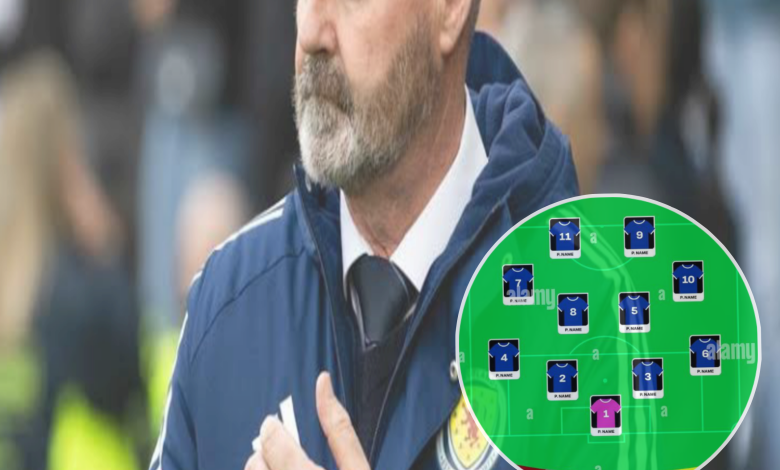
On paper, Scotland lined up in their trusted 4-4-2 system, the shape that had carried them through their warm-up wins. But once the game got underway, fans quickly realised something felt different — not in the formation, but in the personnel Clarke chose to trust on the biggest stage.
The headline decision was the omission of John McGinn from the starting XI. Scotland’s captain, talisman, and one of the most influential players in the squad was named on the bench for the opener, a move that immediately split opinion among pundits and supporters alike.
BBC analysts described it as a “major curveball,” with even experienced voices struggling to understand whether Clarke was prioritising control, balance, or simply making a bold statement about squad depth. Some argued McGinn’s energy and leadership were essential from the start, while others felt the system required more structure in midfield against a physical Haiti side.
Despite the pre-match confusion, Clarke’s decision ultimately paid off. Scotland edged a tight contest 1-0, with McGinn himself coming off the bench to score the decisive goal in the 28th minute — a moment that instantly flipped the narrative.
What looked like a risky call before kick-off quickly became a talking point of managerial brilliance after the final whistle. Fans were left divided between praising Clarke’s boldness and questioning whether Scotland had made life harder than necessary before their captain rescued them.
In the end, the match didn’t just mark Scotland’s first World Cup win in decades — it also set the tone for a tournament where Steve Clarke’s decisions will be scrutinised every step of the way.