Chris Rigg under fire after costly mistake in Sunderland’s frustrating draw against Leeds
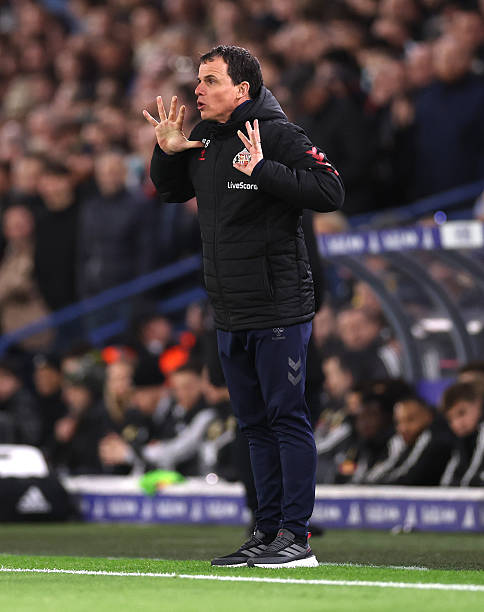
Sunderland were left frustrated after being held to a goalless draw by Leeds United at the Stadium of Light, with Chris Rigg facing scrutiny after failing to make the most of a promising opportunity.
The Black Cats were desperate to secure three points, but their struggles in the final third ultimately proved costly. While Sunderland showed moments of attacking intent, they lacked the clinical finishing required to break down their opponents.
Rigg, one of Sunderland’s most promising young talents, found himself at the centre of attention after hesitating when presented with an opportunity to shoot. His decision allowed a Leeds defender to recover and block the effort, leaving supporters wondering whether Sunderland could have done more to turn the match in their favour.
Although the result cannot be blamed on one player, the frustrating performance has raised questions about Sunderland’s attacking decision-making and whether changes are needed in the matches ahead.
Chris Rigg Under Scrutiny After Missed Opportunity
Rigg has earned recognition for his potential and ability to contribute in midfield, but the goalless draw against Leeds highlighted an area of his game that requires improvement.
The young midfielder found himself in a promising position but delayed his attempt, giving Leeds defender Jaka Bijol enough time to close him down and block the shot.
It was a frustrating moment for Sunderland, who needed someone to produce a decisive contribution.
In tightly contested matches, attacking players must make quick decisions. Hesitation can allow defenders to recover, reduce the available shooting space and turn a promising opportunity into a wasted one.
Rigg will undoubtedly be disappointed that he could not make more of the situation.
However, one missed opportunity should not define his entire performance or determine his future at the club. At his age, developing consistency and learning to make better decisions under pressure are important parts of his progression.
The expectation is that he will learn from the incident and become more decisive when similar opportunities arise.
Sunderland’s Attacking Frustrations Continue
The draw against Leeds exposed Sunderland’s difficulties in turning promising attacking situations into goals.
Playing in front of their home supporters, the Black Cats would have wanted to make their attacking pressure count. Instead, they were forced to settle for a point after failing to find a breakthrough.
Rigg’s blocked attempt was one of several moments that illustrated the importance of greater composure in the final third.
For Sunderland, the problem extends beyond one midfielder. The team needs better movement, sharper passing and more decisive finishing if it wants to turn competitive performances into victories.
When opportunities arrive against well-organised opposition, players must be prepared to take responsibility.
Sometimes that means shooting immediately rather than taking an additional touch. On other occasions, it means recognising a teammate in a better position and delivering the right pass.
These small decisions can determine the outcome of a match.
Sunderland will therefore need to examine how they approach attacking situations and ensure their players are making the right choices under pressure.
Is Chris Rigg Doing Enough to Justify His Place?
Rigg remains a young player with considerable potential, and Sunderland will be keen to help him develop into a more complete midfielder.
Nevertheless, potential alone does not guarantee a place in the starting lineup.
Competition for positions is important at a club with ambitions of progressing in the Premier League. Players must demonstrate that they can contribute consistently, particularly when results are not going their team’s way.
The Leeds draw provides an opportunity for Rigg to reflect on his performance and identify areas where he can improve.
His decision-making in the final third is one aspect that deserves attention. Becoming more confident in possession, recognising opportunities earlier and making quicker decisions could help him become a more effective attacking threat.
However, it would be unfair to suggest that he should automatically be dropped because of one blocked shot.
Le Bris must assess Rigg’s overall contribution, including his work rate, positioning, defensive responsibilities and influence on Sunderland’s build-up play.
If the manager believes the midfielder remains the best option for the team, continuing to support him could be the right decision.
The key is ensuring that Rigg continues to develop and contributes more decisively when Sunderland need him.
Régis Le Bris Must Find a Solution
Sunderland manager Régis Le Bris faces the challenge of improving his team’s attacking effectiveness without undermining the confidence of his younger players.
Rigg’s situation illustrates the balance the manager must maintain between demanding better performances and allowing promising talents the opportunity to learn from their mistakes.
Dropping a player after every disappointing moment would create unnecessary pressure, but ignoring repeated problems could also prevent the team from progressing.
Le Bris must determine whether Sunderland’s difficulties are caused by individual mistakes, tactical issues or a combination of both.
If his players are consistently hesitating in dangerous areas, additional work on attacking patterns and decision-making may be necessary.
The manager must also consider whether alternative midfield options could offer greater creativity or a more direct threat in the final third.
Ultimately, Sunderland need a response on the pitch. The frustration surrounding the Leeds draw will only increase if similar opportunities continue to go begging.
The Verdict: Rigg Must Learn From the Leeds Draw
Chris Rigg’s missed opportunity against Leeds United has highlighted the fine margins that can separate a disappointing draw from a valuable victory.
The midfielder had a chance to make a difference, but his hesitation allowed the opposition defence to intervene.
For Sunderland, it was another frustrating moment in a match where they failed to find the decisive goal.
However, Rigg’s potential should not be forgotten because of one incident. He remains a developing player, and the most important question is how he responds when his next opportunity arrives.
Sunderland need their attacking players to show greater confidence, composure and decisiveness in the final third. Rigg must continue working on those qualities if he wants to establish himself as a consistent contributor.
Le Bris, meanwhile, must ensure the team learns from the draw and finds ways to convert promising situations into goals.
The message is clear: Sunderland cannot afford to keep wasting opportunities if they want to turn draws into victories.