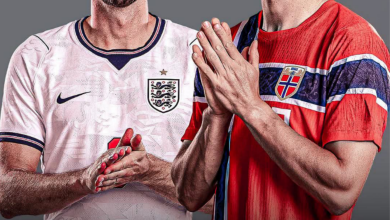
FIFA have clarified why Jude Bellingham’s equaliser for England against Norway was allowed to stand after a new camera angle sparked controversy during the World Cup quarter-final.
The incident quickly became one of the biggest talking points of the match, with replays appearing to show the ball may have made contact with an overhead camera cable in the build-up to England’s goal.
Bellingham Brings England Level
England fell behind in the first half but responded immediately after the break.
Anthony Gordon slipped a perfectly weighted pass into Jude Bellingham, who calmly finished to make it 1-1 and register his fifth goal of the tournament.
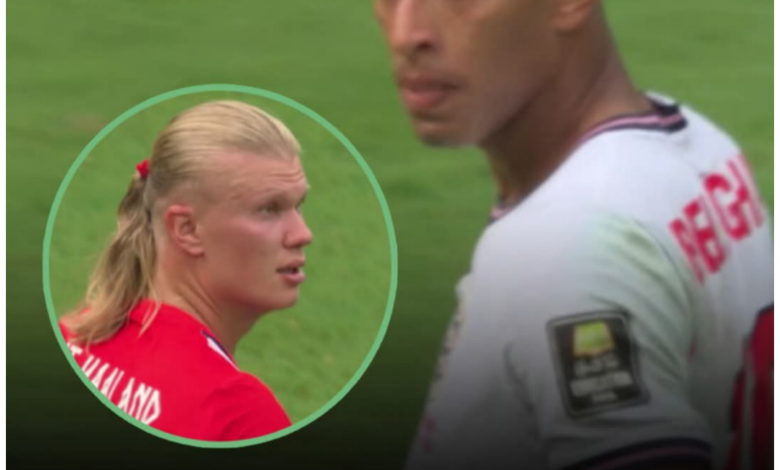
However, Norway players were unhappy with the build-up and questioned whether play should have been stopped before the goal.
New Camera Angle Sparks Debate
During the interval, broadcasters showed an alternative replay of the incident.
The footage appeared to suggest that Ørjan Nyland’s long clearance may have brushed the overhead camera cable before dropping to Elliot Anderson, who launched the attack that eventually led to Bellingham’s strike.
Former Premier League referee Mark Clattenburg, working as an analyst for FOX Sports, explained that if the ball had struck the camera cable, the Laws of the Game would require the referee to stop play and restart with a dropped ball.
That immediately raised questions over whether England’s equaliser should have counted.
FIFA Check Connected Ball Technology
Following the controversy, FIFA reviewed data from the tournament’s adidas Connected Ball technology.
The official match ball contains an internal sensor that records every touch and impact, helping officials make accurate decisions alongside VAR.
After analysing the data, FIFA confirmed there was no evidence that the ball had made contact with the overhead camera system.
The governing body stated:
“We have checked the data from the adidas Connected Ball and it shows no peak on the graph from the heartbeat sensor.”
Because the sensor detected no impact, FIFA concluded the ball had not struck the cable.
Goal Correctly Awarded
With no contact recorded by the Connected Ball technology, there was no reason for either the referee or VAR to intervene.
As a result, Bellingham’s equaliser was correctly allowed to stand.
More VAR Drama Followed
The controversy didn’t end there.
Later in extra time, England thought they had won a penalty after Djed Spence went down inside the box.
However, after a VAR review, the referee overturned the decision, handing Norway a significant reprieve.
England eventually found another breakthrough as Bellingham scored again after reacting quickest to a rebound following a save from Nyland.
The Bottom Line
A new replay appeared to suggest England’s equaliser may have been preceded by the ball striking an overhead camera cable.
However, FIFA reviewed data from the adidas Connected Ball and confirmed its internal sensor detected no contact, meaning the goal was correctly awarded and VAR had no reason to intervene.