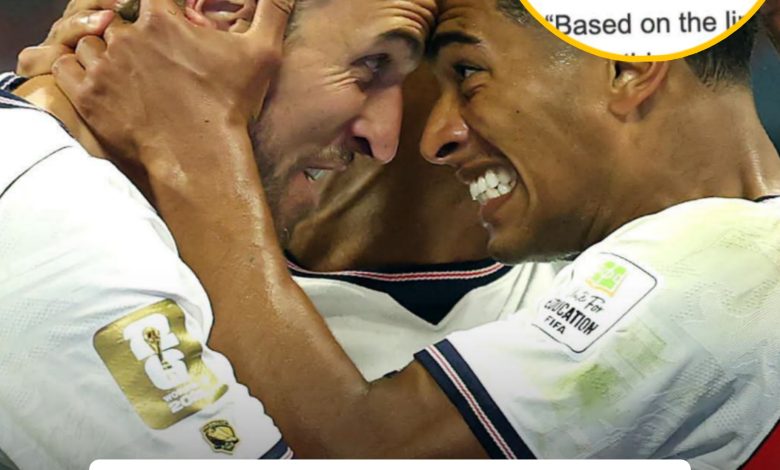
England could be heading towards one of the most dramatic decisions in football history after growing concerns over FIFA’s latest proposals have triggered outrage across the sport.
The Football Association is understood to be deeply concerned about FIFA’s plans to restructure the way its competitions are managed, with discussions reportedly taking place behind the scenes over how England should respond if the proposals move forward.
Across Europe, football officials have reacted with alarm, while supporters have flooded social media with criticism. UEFA has condemned the plans in unusually strong terms, warning that they represent a dangerous shift in the governance of the world’s biggest sporting competitions.
With the 2030 FIFA World Cup already set to be one of the most unique tournaments ever staged, controversy surrounding football’s governing body has once again taken centre stage.
UEFA Says FIFA Has “Crossed a Line”
The strongest criticism has come from UEFA.
European football’s governing body has made it clear that it believes FIFA’s proposals threaten the traditional structure of international football.
In a strongly-worded response, UEFA said the plans “cross a line that football’s governing institutions should never cross,” signalling a major breakdown in relations between the two organisations.
The comments reflect growing tensions that have existed for several years over the future direction of football.
Disagreements over tournament expansion, the international calendar, commercial rights and governance have repeatedly placed UEFA and FIFA on opposite sides of major debates.
Many officials now fear this latest proposal could deepen that divide even further.
The Controversial Proposal
At the centre of the controversy are FIFA’s reported plans to establish a private company that would manage its competitions.
Under the proposal, outside investors could potentially purchase financial stakes in that company.
Supporters of the idea argue that private investment could generate enormous new revenue streams, improve commercial operations and increase investment in football development across the globe.
Critics, however, fear the opposite.
Many believe allowing outside investors into the management of football’s biggest competitions risks placing commercial interests ahead of sporting integrity.
Opponents argue that the FIFA World Cup is more than just a business.
It is viewed as one of the world’s greatest sporting events—a tournament built on tradition, national pride and decades of football history.
Many fear that introducing private investors could fundamentally change how those competitions are run.
FA “Deeply Concerned”
Reports suggest the Football Association is taking the issue extremely seriously.
According to senior figures familiar with discussions, the proposals are viewed as one of the greatest challenges to football governance in recent years.
Some insiders have reportedly compared the situation to the failed European Super League project in 2021.
That competition collapsed within just 48 hours after clubs, supporters, governments and football authorities united against the breakaway plan.
For many within English football, the lesson from the Super League remains clear.
When supporters believe football is being taken away from them, resistance can become overwhelming.
That experience is believed to be influencing current discussions inside the FA.
Could England Really Boycott the World Cup?
Perhaps the biggest question is whether England would ever refuse to participate in a FIFA World Cup.
At this stage, no official decision has been made.
However, reports suggest the possibility could become part of wider discussions if opposition to FIFA’s proposals continues to grow.
Any boycott would almost certainly require close coordination with other UEFA member associations.
England acting alone would be an extraordinary move.
A united European response would carry significantly greater political and sporting weight.
Much may depend on future meetings between national football associations and UEFA leadership.
Should enough countries oppose the proposals, pressure on FIFA could increase dramatically.
Relations Between FIFA and UEFA
Relations between FIFA and UEFA have become increasingly strained in recent years.
Several high-profile disagreements have highlighted growing tensions over football governance.
Questions surrounding tournament expansion, scheduling, commercial rights and decision-making have repeatedly placed the organisations at odds.
UEFA president Aleksander Ceferin has previously criticised several FIFA decisions and has expressed concern over what he believes is an increasing commercialisation of international football.
Those disagreements now appear to be spilling into yet another major confrontation.
Political Debate Intensifies
The controversy has also attracted political attention.
Some politicians have argued that football should remain under the control of sporting institutions rather than commercial investors.
Critics insist that the World Cup belongs to supporters, players and national associations—not financial markets.
Others argue that modern sport increasingly requires major investment and that attracting new capital is essential to compete in a rapidly changing global entertainment industry.
The debate therefore extends far beyond football itself.
It raises wider questions about who should control the world’s biggest sporting events.
Rumours and Online Speculation
The controversy has also fuelled widespread speculation online.
Some social media posts have claimed the proposals are linked to political figures or broader geopolitical interests, including allegations involving former US President Donald Trump and his associates.
However, no credible public evidence has been produced to substantiate those claims, and neither FIFA nor those alleged to be involved have confirmed such reports.
As a result, these claims remain unverified and should be treated with caution.
Fans Voice Their Anger
Supporters have reacted passionately.
Across social media, many fans argue football has become increasingly commercialised over the past decade.
Some believe FIFA is placing financial considerations ahead of supporters.
Others fear the latest proposals represent another step away from football’s traditional values.
One supporter wrote:
“Infantino is destroying football. Boycott the World Cup. It’s the only way.”
Another commented:
“The World Cup belongs to the fans, not private investors. England should walk away.”
A third supporter added:
“Football keeps moving further away from the supporters who made the game what it is.”
Although opinions differ, the debate has generated significant discussion among fans worldwide.
What Would a Boycott Mean?
If England—or several European nations—were to boycott the 2030 World Cup, the consequences would be enormous.
England remains one of football’s biggest nations.
Its absence would dramatically reduce the tournament’s sporting profile and commercial appeal.
A coordinated UEFA boycott involving multiple countries would represent one of the greatest crises FIFA has ever faced.
There could also be significant sporting consequences.
National teams refusing to participate could face disciplinary action under FIFA regulations.
Players could miss the biggest tournament of their careers.
Broadcasters, sponsors and commercial partners might also face uncertainty if leading football nations withdrew.
Such a scenario would create unprecedented challenges for the competition.
The Stakes for FIFA
For FIFA, the controversy arrives at a sensitive moment.
The organisation has spent years expanding the World Cup and increasing its global commercial reach.
Officials argue these changes are designed to strengthen football worldwide and provide greater financial support for developing nations.
Critics, however, believe rapid expansion and increased commercialisation risk damaging the identity of the sport.
The latest proposals have therefore become another flashpoint in the ongoing debate over football’s future.
What Happens Next?
Attention now turns to upcoming discussions between UEFA, national football associations and FIFA.
Those meetings could determine whether opposition softens or intensifies.
For now, England has not announced any boycott.
However, reports that the FA is taking the issue seriously demonstrate just how significant the proposals have become.
The coming months may prove crucial in determining whether football’s governing bodies can reach common ground—or whether the divide grows even wider.
The Bottom Line
FIFA’s proposals have ignited one of the biggest governance debates in modern football.
UEFA has issued a sharp warning.
The Football Association is reported to have serious concerns.
Supporters remain divided over what the future should look like.
Whether England ultimately considers a boycott or chooses another course of action, one thing is clear: the debate over who controls the future of the World Cup is far from over.
For millions of supporters around the world, the World Cup represents far more than a commercial property. It is a symbol of football’s history, passion and global appeal. Whatever happens next, the decisions made over the coming months could shape the future of the tournament—and international football itself—for generations to come.